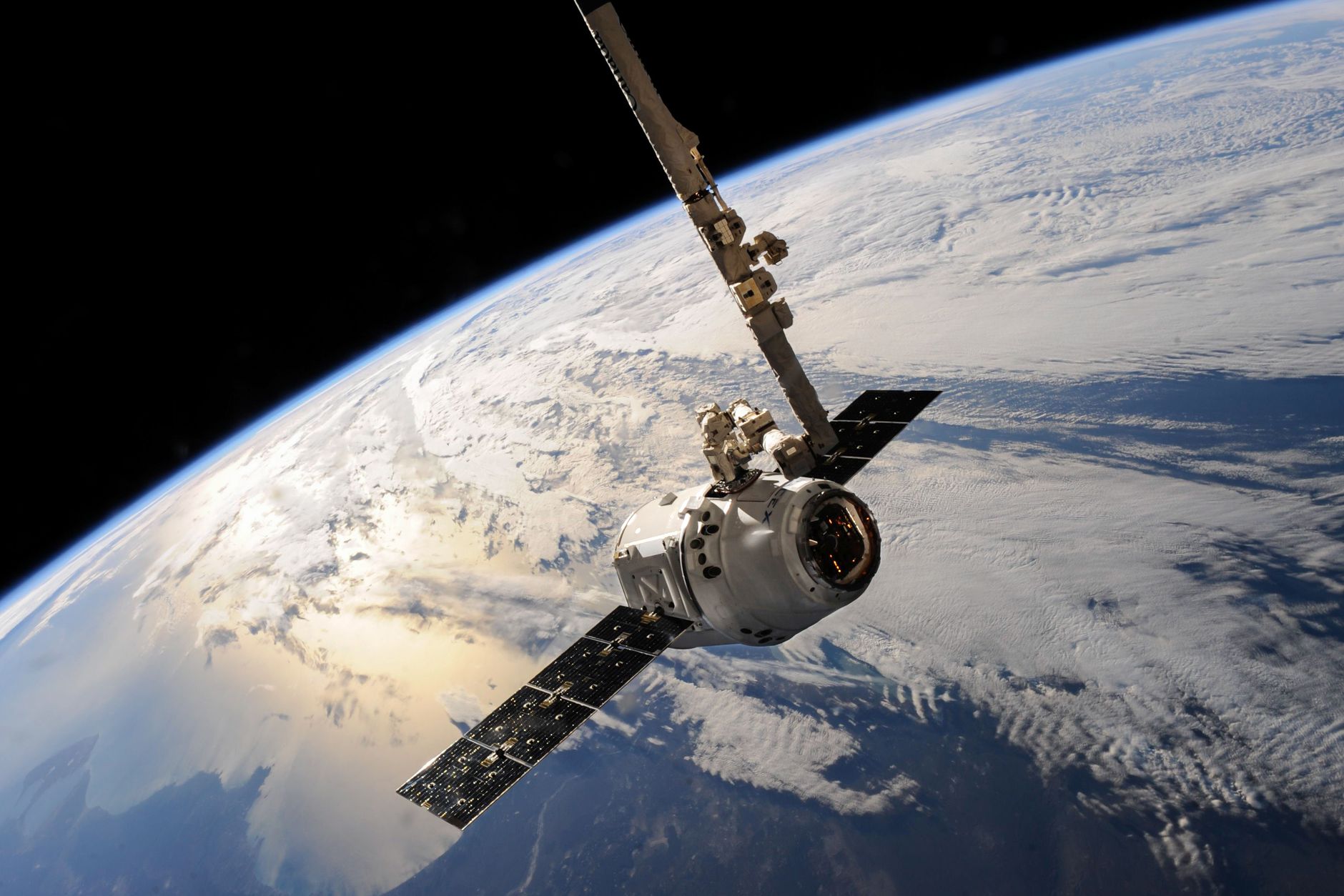
SpaceX Starship orbit is a groundbreaking achievement for the aerospace industry. For the first time, the Starship rocket successfully entered Earth’s orbit, marking a significant milestone in space exploration.
The Journey of SpaceX Starship
The journey of SpaceX Starship has marked a significant milestone in the realm of space travel. For the first time, the Starship rocket successfully entered Earth orbit, showcasing the advancements in space exploration technology.
Launched from the SpaceX facilities in Boca Chica, Texas, the Starship’s mission was closely monitored by teams of engineers and scientists. The rocket’s ascent was celebrated by many as it ascended through the atmosphere, ultimately achieving its orbital target.
Throughout its development, SpaceX has focused on creating a fully reusable spacecraft, which is crucial for the future of interplanetary travel. The successful orbit of the Starship is a testament to this vision and represents a leap forward in reducing the cost of space missions.
As the aerospace community reflects on this remarkable achievement, several key points have emerged:
- Innovation: Starship incorporates cutting-edge technology that sets a new standard for rocket design.
- Reusable design: The ability to reuse the spacecraft can revolutionize access to space.
- Future missions: This successful orbit paves the way for potential missions to the Moon and Mars.
With these achievements, the SpaceX Starship orbit signifies a promising future for humanity’s exploration of the cosmos.
What This Means for Future Missions
The successful launch of the SpaceX Starship into Earth orbit marks a significant milestone in the realm of space exploration. This achievement not only showcases the technological advancements made by SpaceX but also sets the stage for future missions that could redefine our understanding of space travel.
With the Starship now proving its capability to reach orbit, several implications arise for upcoming endeavors:
- Interplanetary Missions: The ability to achieve orbit is a crucial step toward missions to the Moon and Mars. SpaceX can now focus on refining its technology to support longer journeys beyond Earth.
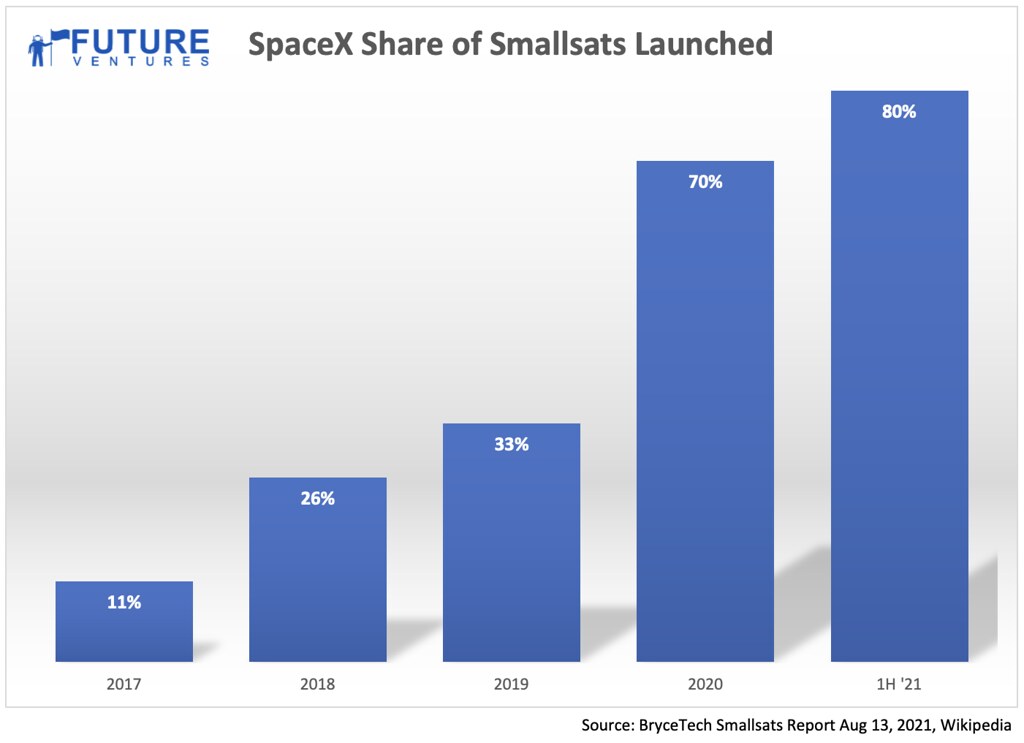
- Satellite Deployment: The Starship’s capacity for carrying larger payloads opens new possibilities for satellite deployment, enabling more extensive global communication networks and improved Earth monitoring.
- Commercial Space Travel: With successful orbital flights, SpaceX could soon provide opportunities for commercial space tourism, allowing civilians to experience space travel firsthand.
- Scientific Research: Future missions could include scientific research in microgravity, contributing to advancements in areas such as medicine and materials science.
Overall, the achievement of the SpaceX Starship orbit is a promising indication of what lies ahead in the exploration of our universe.
SpaceX Starship orbit: A New Era
SpaceX’s successful launch of the Starship rocket into Earth orbit marks a significant milestone in space travel, ushering in a new era of exploration and innovation. This achievement not only showcases the engineering prowess of the SpaceX team but also sets the stage for future missions that could redefine humanity’s presence in space.
The Starship’s journey represents a culmination of years of research, development, and rigorous testing. It has been designed to carry both crew and cargo, opening up numerous possibilities for interplanetary travel, lunar exploration, and even potential missions to Mars. As the focus keyword suggests, the SpaceX Starship orbit has proven to be an essential step towards these ambitious goals.
Moreover, this successful orbit ignites excitement in the scientific community and among space enthusiasts worldwide. The implications are vast:
- Increased Accessibility: The advancements could lower the cost of space travel.
- International Collaboration: Countries may team up for future exploratory missions.
- Technological Innovation: New technologies developed could benefit Earth applications.
As SpaceX continues its efforts, the future looks bright for space exploration and the potential for humanity to become an interplanetary species.
Technological Innovations Behind Starship
SpaceX has consistently pushed the boundaries of space exploration, and the technological innovations behind the Starship are a testament to this vision. At the core of these advancements is the Raptor engine, which utilizes a full-flow staged combustion cycle. This design allows for greater efficiency and performance, ensuring that SpaceX Starship orbit can be achieved with minimal fuel consumption.
Moreover, the spacecraft’s structure is made from stainless steel, providing both durability and resistance to extreme temperatures during re-entry. This choice of material not only enhances the Starship’s capability but also contributes to its aesthetic appeal, with a shiny, reflective surface.
Another significant innovation is the implementation of rapid reusability features. SpaceX has designed the Starship to be fully reusable, drastically reducing the cost of space travel. This reusability is coupled with an advanced avionics system that allows for precise navigation and landing, ensuring safe returns after missions.
These technological advancements, combined with rigorous testing and iterative design processes, position SpaceX Starship orbit as a benchmark for future spacecraft, paving the way for more ambitious missions to the Moon, Mars, and beyond.
Challenges Faced During the Launch
As SpaceX achieved a significant milestone by sending the Starship rocket into Earth orbit for the first time, the journey was not without its challenges. Several obstacles arose during the launch process, highlighting the complexities of modern space travel.
- Technical Glitches: During the initial phases of the launch, engineers encountered unexpected technical glitches that required quick problem-solving and adjustments.
- Weather Conditions: Adverse weather conditions posed a risk on the scheduled launch day, necessitating careful monitoring and potential delays.
- Regulatory Hurdles: Navigating the regulatory landscape also presented challenges, as SpaceX worked closely with government agencies to secure the necessary approvals for the launch.
- Launch Pad Issues: The launch pad itself faced issues, including the need for reinforcement to handle the immense power generated during liftoff.
Despite these hurdles, the successful completion of the mission marked a pivotal moment in the development of the SpaceX Starship orbit program. This achievement not only demonstrates the resilience of the team but also paves the way for future innovations in space exploration.
Expert Opinions on the Launch Success
Experts in the aerospace industry are weighing in on the historic launch of SpaceX’s Starship, which successfully achieved orbit for the first time. This milestone is considered a pivotal moment in the realm of space travel.
Dr. Emily Carson, a prominent aerospace engineer, stated, “The successful orbit of the SpaceX Starship is not just a technical achievement; it represents a significant step towards sustainable human exploration of other planets.” She emphasized that the efficiency and reusability of the Starship could revolutionize future missions.
Professor Mark Jensen, an astrophysicist, echoed these sentiments, asserting, “This launch opens up new possibilities for deep-space exploration, making destinations like Mars more accessible than ever.” He remarked that achieving orbit is a testament to the rigorous testing and innovations that have gone into the Starship program.
Additionally, Dr. Sarah Lee, a space policy analyst, pointed out the implications for international collaboration in space missions. “This success can galvanize partnerships across nations, as the SpaceX Starship orbit sets a new benchmark for what’s possible in space exploration,” she noted.
As the space community reflects on this achievement, the consensus remains clear: the future of space travel is bright and full of potential.
The successful launch and subsequent achievement of a stable SpaceX Starship orbit marks a significant advancement in our quest for interplanetary travel. As engineers analyze the data from this mission, the implications of the SpaceX Starship orbit will undoubtedly shape the future of space exploration.
By jurvetson via Openverse