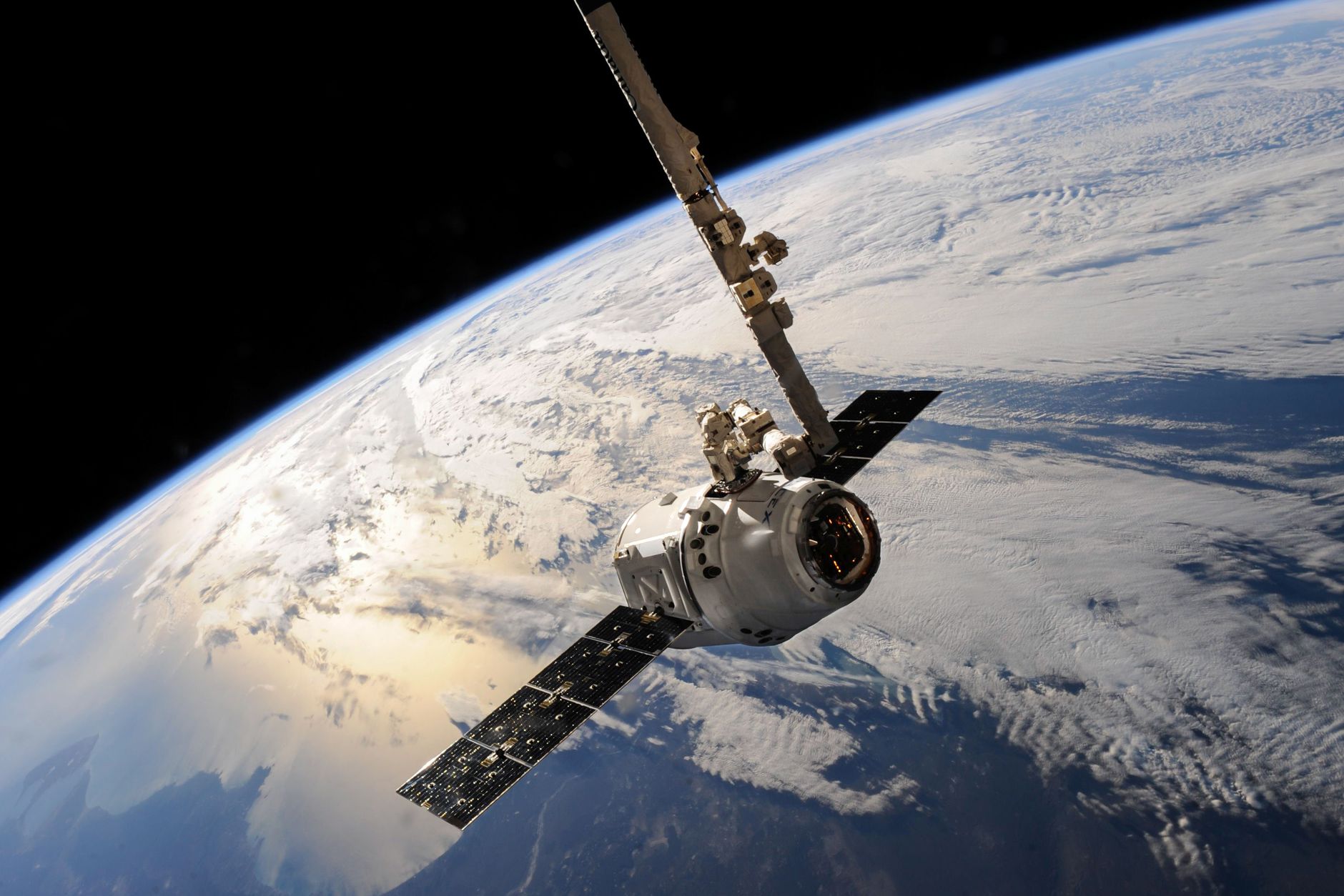
ISRO NVS-03 satellite marks a significant milestone in India’s journey towards an independent GPS system. This launch showcases India’s growing capabilities in space technology.
Overview of the NVS-03 Satellite
The ISRO NVS-03 satellite represents a significant milestone in India’s space exploration efforts, particularly in enhancing its navigation capabilities. Launched successfully, this satellite is part of the NavIC (Navigation with Indian Constellation) system, which aims to provide accurate positioning services to users across India and the surrounding region.
The NVS-03 satellite is equipped with advanced technology that ensures improved accuracy and reliability in navigation. This is vital for various applications, including transportation, agriculture, and disaster management. The satellite’s capabilities will further bolster India’s self-reliance in critical technologies and reduce dependence on foreign navigation systems.
Key features of the NVS-03 satellite include:
- Enhanced Signal Quality: Provides stronger and more reliable signals for navigation.
- Multiple Frequency Bands: Operates on different frequencies to increase accessibility.
- Improved Coverage: Expands the service area for users in urban and rural locations.
The successful deployment of the ISRO NVS-03 satellite marks a pivotal step for India, as it continues to develop and refine its capabilities in satellite navigation.
Importance of India’s Own GPS
The launch of the ISRO NVS-03 satellite marks a significant milestone in enhancing India’s own GPS capabilities. With a dedicated satellite navigation system, India can now operate independently of foreign GPS systems, which is crucial for national security and economic development.
The importance of having a homegrown GPS system extends beyond mere convenience. It ensures:
- Enhanced Accuracy: The NVS-03 satellite provides precise location data, which is vital for various sectors including agriculture, transportation, and disaster management.
- Improved Security: A domestic navigation system reduces reliance on foreign entities, mitigating risks associated with geopolitical tensions.
- Support for Development: With accurate navigation, industries such as logistics and telecommunications can thrive, driving economic growth.
- Technological Advancement: The success of ISRO NVS-03 satellite showcases India’s capabilities in space technology, inspiring further innovations.
In summary, the establishment of India’s own GPS system through the NVS-03 satellite not only strengthens national infrastructure but also propels the nation towards self-reliance in critical technology sectors.
ISRO’s Achievements in Space
ISRO has consistently demonstrated its prowess in space exploration and satellite technology, with the successful launch of the NVS-03 satellite being a significant milestone. This achievement not only enhances India’s navigation capabilities but also showcases the agency’s commitment to advancing indigenous technology.
Over the years, ISRO has accomplished several key projects that have positioned India as a leader in space research. Among these:
- Chandrayaan Missions: The lunar exploration missions have provided invaluable data about the Moon’s surface and geology.
- Mangalyaan: India’s Mars Orbiter Mission made the nation the first to reach Martian orbit on its maiden attempt.
- Navigation Satellites: The Indian Regional Navigation Satellite System (IRNSS) has laid the groundwork for reliable navigation across the country.
With the launch of the NVS-03 satellite, ISRO is expected to enhance the accuracy and reliability of the navigation services provided to users across various sectors. This significant leap forward not only strengthens India’s own GPS but also contributes to the global navigation satellite systems landscape.
Future of Satellite Navigation in India
The successful launch of the ISRO NVS-03 satellite marks a significant milestone in the evolution of satellite navigation in India. As the country continues to enhance its capabilities in space technology, the future of satellite navigation looks promising, with numerous advancements on the horizon.
One of the key areas of focus will be the expansion of the Indian Regional Navigation Satellite System (IRNSS), which the NVS-03 satellite is a crucial part of. The IRNSS aims to provide accurate positioning services to users across India and the surrounding region, which will be vital for various applications, including:
- Transportation: Improved navigation for land, air, and sea vehicles.
- Agriculture: Precision farming techniques for better yield.
- Disaster Management: Enhanced tracking and response systems during emergencies.
Moreover, the integration of advanced technologies, such as better signal accuracy and resilience against interference, will further strengthen navigation services. As the ISRO NVS-03 satellite continues to operate effectively, it will pave the way for a more self-reliant and efficient navigation system in India, meeting both current and future needs.
Technical Details of NVS-03
The ISRO NVS-03 satellite is a significant advancement in India’s navigation capabilities, designed to enhance the performance of the Indian Regional Navigation Satellite System (IRNSS). This satellite operates in the L5 frequency band, providing precise positioning services for various applications, including transportation, agriculture, and disaster management.
Equipped with a highly sophisticated atomic clock, the NVS-03 ensures accurate timekeeping, which is crucial for determining precise location data. The satellite features enhanced signal strength and a wider coverage area, allowing for improved service availability across the country and surrounding regions.
The NVS-03 satellite is also built with advanced technology to withstand the harsh conditions of space. Its robust design includes:
- Solar panels: Efficiently converting sunlight into energy to power satellite systems.
- Thermal control systems: Maintaining optimal operating temperatures for sensitive equipment.
- Redundant systems: Ensuring reliability in case of component failures.
Overall, the ISRO NVS-03 satellite represents a pivotal step in establishing a self-reliant GPS framework for India, enhancing both national security and economic development.
Public Response to the Launch
The launch of the ISRO NVS-03 satellite has garnered significant attention and enthusiasm from the public and experts alike. Many citizens expressed pride in India’s growing capabilities in space technology, viewing the successful deployment as a pivotal moment for the nation. Social media platforms were abuzz with congratulatory messages directed towards the Indian Space Research Organisation (ISRO), highlighting the successful execution of yet another ambitious project.
Users shared their thoughts on the potential impact of the NVS-03 satellite on everyday life, particularly in enhancing navigation services across the country. The satellite is expected to improve accuracy for various applications, including transportation, agriculture, and disaster management. Many believe that with the addition of the NVS-03, India is stepping closer to achieving self-reliance in satellite navigation.
Experts in the field of space technology noted that the public’s response reflects a growing awareness of the importance of satellite systems in modern society. A survey conducted shortly after the launch indicated that a large percentage of respondents felt optimistic about India’s technological advancements and supported further investments in space exploration.
Impact on Global Navigation Systems
The successful launch of the ISRO NVS-03 satellite marks a significant milestone in enhancing global navigation systems. As India’s third satellite in the Navigation with Indian Constellation (NavIC) series, the NVS-03 is set to improve the accuracy and reliability of GPS services across the region.
With this launch, India asserts its capability in satellite-based navigation, which is crucial for various sectors, including transportation, agriculture, and disaster management. The NVS-03 satellite is equipped with advanced atomic clocks that enhance timing accuracy, making it a vital component for both civilian and military applications.
Moreover, the NVS-03 satellite contributes to reducing reliance on foreign satellite navigation systems. It aims to provide enhanced services not only to India but also to neighboring countries, promoting regional cooperation and technological advancement.
Key impacts of the ISRO NVS-03 satellite include:
- Improved positioning accuracy
- Enhanced user safety and efficiency
- Support for autonomous vehicle navigation
- Strengthened national security through reliable navigation
As ISRO continues to innovate, the NVS-03 satellite’s success will play a crucial role in shaping the future of satellite navigation in India and beyond.