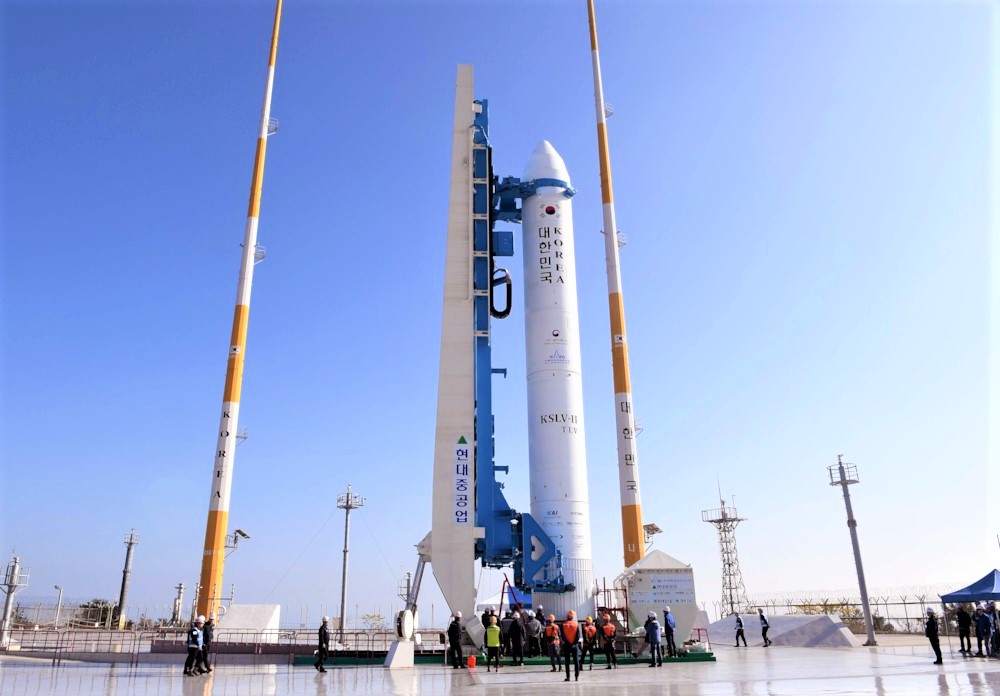
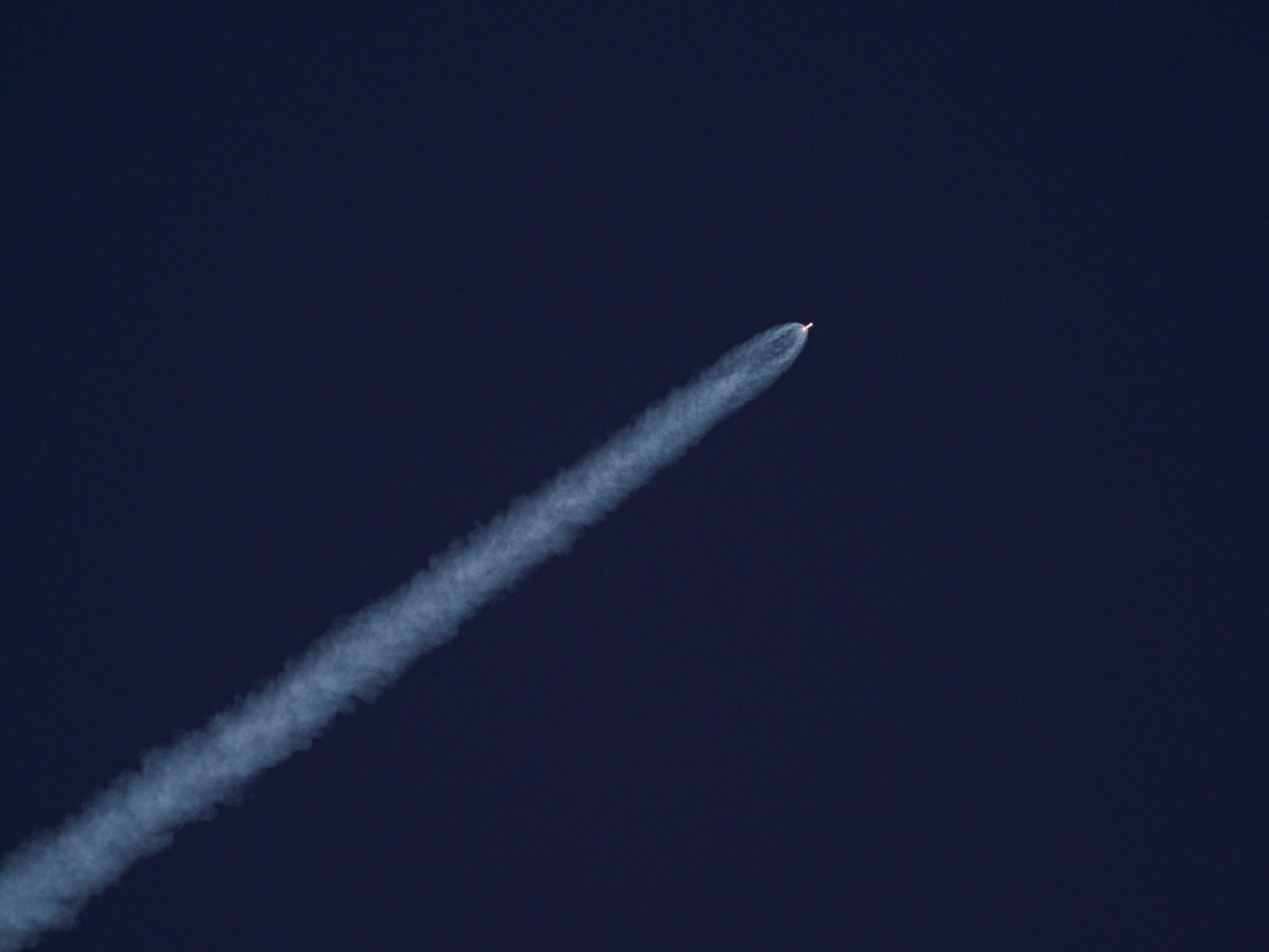
China rocket launch marked a significant achievement as it successfully carried four satellites into space, showcasing the nation’s growing capabilities in space technology.
Overview of China’s Space Mission
On a recent occasion, China successfully executed a rocket launch, marking a significant milestone in its ongoing space mission. This launch involved the deployment of four satellites, which are set to enhance various capabilities in communication, weather forecasting, and Earth observation. The advancement of China’s space program underscores its growing technological prowess and commitment to scientific exploration.
The successful China rocket launch is not just a demonstration of technical skill; it also holds numerous benefits for both the nation and the global community. Among the key advantages are:
- Improved Communication: Enhanced satellite networks facilitate faster and more reliable communication across regions.
- Scientific Research: Satellites play a crucial role in gathering data for climate change studies and environmental monitoring.
- Economic Growth: Investments in space technology can drive innovation and create new job opportunities.
- International Collaboration: Space missions pave the way for partnerships with other nations for collaborative scientific endeavors.
As China continues to advance its space initiatives, the benefits of such missions will resonate far beyond its borders.
Details on the Four Satellites
On Wednesday, China successfully conducted a rocket launch, sending four satellites into orbit as part of its expanding space program. These satellites serve various purposes, contributing to advancements in technology and research. The launch was part of a greater mission to enhance China’s capabilities in space exploration and satellite deployment.
The four satellites include:
- Communication Satellite: Designed to improve telecommunications across rural areas.
- Earth Observation Satellite: Aimed at monitoring environmental changes and natural disasters.
- Scientific Research Satellite: Focused on gathering data for climate studies and atmospheric research.
- Navigation Satellite: Enhancing precision in navigation systems for various applications, including transportation.
By launching these satellites, China not only strengthens its position in the global space race but also showcases the practical benefits of its rocket launch capabilities. The integration of these satellites into existing networks is expected to yield significant advancements in multiple sectors.
Impact on Global Space Industry
The recent China rocket launch has significant implications for the global space industry, showcasing advancements in technology and increasing competition. As China continues to enhance its capabilities, several benefits have emerged for both its domestic market and international partners.
- Technological Innovation: The successful launch demonstrates China’s growing expertise in rocket technology, which may lead to advancements in satellite design and deployment.
- Market Opportunities: With an expanding space program, China offers new opportunities for collaboration, potentially benefiting companies worldwide that seek to engage in satellite manufacturing and launch services.
- Cost Efficiency: As competition increases, launch costs may decrease, making space more accessible for various industries, including telecommunications and earth observation.
- Scientific Collaboration: Enhanced capabilities can lead to international partnerships in research and exploration, fostering a cooperative spirit in space endeavors.
Overall, the impact of the China rocket launch extends beyond its immediate success, influencing global trends and opportunities in the space sector.
Technological Innovations in Rocketry
The recent China rocket launch has showcased significant technological innovations in rocketry that enhance both efficiency and reliability. As the country continues to advance its space capabilities, several key advancements stand out:
- Reusable Rocket Technology: China has made strides in developing reusable launch systems, which can drastically reduce costs associated with space missions.
- Advanced Propulsion Systems: The integration of new propulsion technologies allows for increased payload capacities and improved maneuverability in orbit.
- Satellite Miniaturization: The launch of smaller, more efficient satellites is a testament to China’s commitment to maximizing payload efficiency while ensuring high performance.
- Enhanced Communication Systems: Innovations in communication technologies ensure better data transmission and real-time monitoring of satellite functions.
These technological advancements not only position China as a formidable player in the global space industry but also pave the way for future explorations and collaborations in space science.
Future Plans for Chinese Space Exploration
The recent China rocket launch marks a significant milestone in the nation’s ambitious space exploration plans. As China aims to establish a more prominent presence in space, future missions are set to expand on the success of this launch.
Among the key initiatives are:
- International Collaboration: China plans to partner with other countries and space agencies to foster joint missions and share technological advancements.
- Research and Development: Continued investment in developing next-generation rockets and satellites is essential for enhancing capabilities.
- Moon and Mars Exploration: Upcoming missions aim to explore the lunar surface and gather data on Mars, paving the way for potential human landings.
- Space Station Development: Ongoing construction of the Tiangong space station will facilitate long-term human presence in low Earth orbit, supporting scientific research.
These plans demonstrate China’s commitment to expanding its role in the global space community while reinforcing its technological prowess.
Public Reaction to the Launch
The recent China rocket launch has sparked a wave of public reaction, highlighting the excitement and skepticism surrounding the nation’s growing space capabilities. Many citizens expressed their awe at the technological advancements, taking to social media to share their thoughts and experiences as they watched the launch live.
Supporters of the mission praised China’s commitment to expanding its presence in space, emphasizing the potential benefits for scientific research and technological development. They believe that successful launches like this one can inspire future generations to pursue careers in STEM fields.
Conversely, some critics raised concerns about the environmental impact of increased rocket launches, questioning the sustainability of China’s space ambitions. They argue that while the technological achievements are commendable, the long-term consequences must be carefully considered.
Overall, the public’s reaction reflects a mix of pride and caution, showcasing the complex emotions tied to national advancements in space exploration and the broader implications for humanity’s future in the cosmos.
The recent China rocket launch has demonstrated significant advancements in technology that benefit various sectors. Additionally, the China rocket launch contributes to international collaboration in space exploration, fostering innovation and knowledge sharing.
Photo by Dirk Schuneman on Pexels
References
Canada landslide: What is the real impact on the environment? · Wide Phones Without Folds: Best Proven Features Revealed · Octopus Memory Secret: What’s the Best Proven Method?