
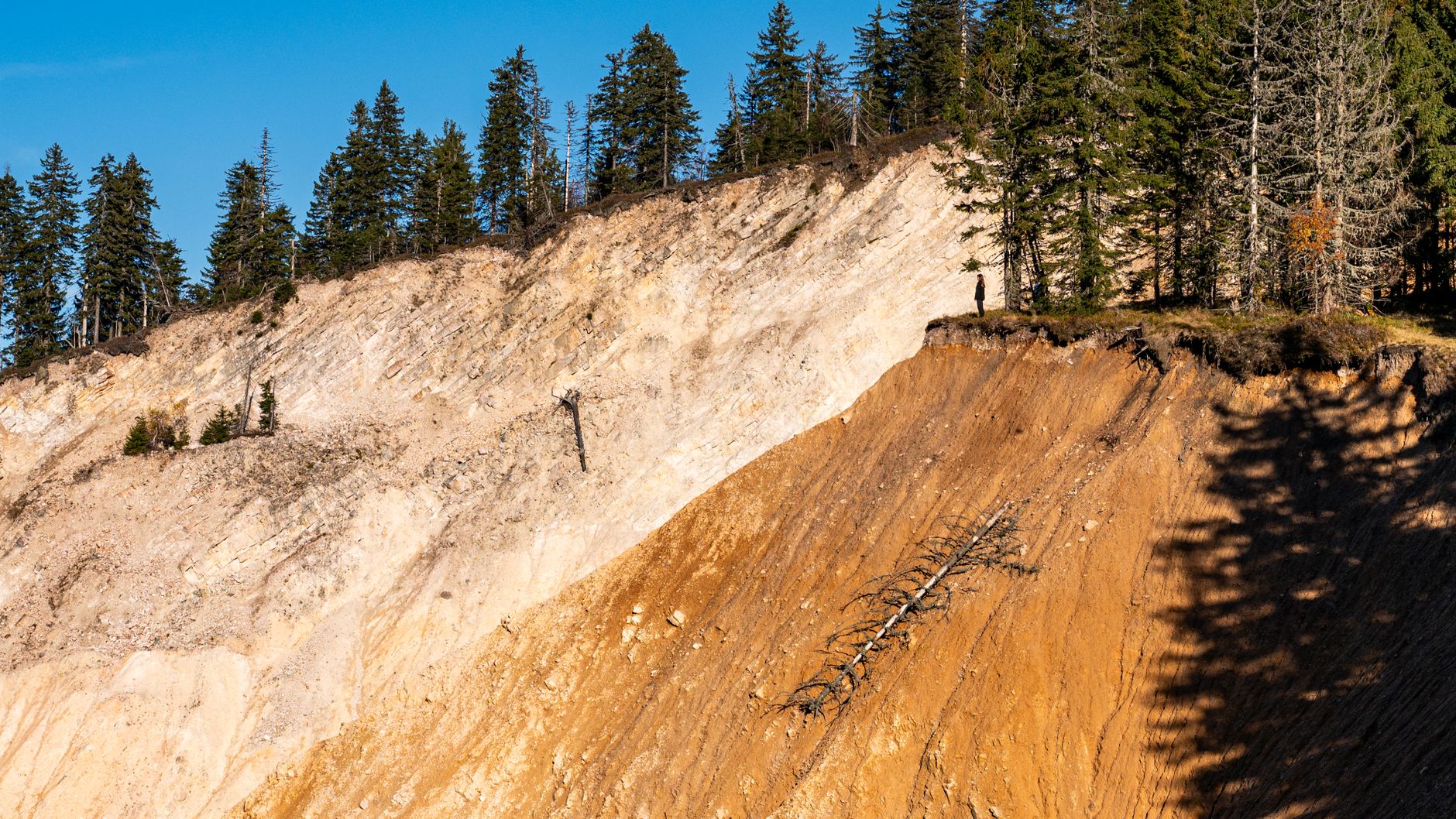
The Canada landslide has sent massive amounts of earth downhill, with seven Great Pyramids’ worth of material involved. This event raises questions about its implications for the environment and local ecosystems.
What caused the Canada landslide?
The recent Canada landslide has raised significant questions about its causes and implications for the surrounding environment. Experts suggest that a combination of geological and climatic factors contributed to this massive event.
Key factors influencing the landslide include:
- Heavy Rainfall: Intense precipitation can saturate the soil, making it unstable and prone to sliding.
- Melting Permafrost: As temperatures rise, permafrost thaws, which can lead to a decrease in ground stability.
- Geological Composition: The underlying rock and soil types play a crucial role in how easily the land can shift.
- Human Activity: Construction and excavation in vulnerable areas can exacerbate natural risks, increasing the likelihood of landslides.
The scale of the landslide is astonishing, with estimates suggesting that it displaced enough earth to equal the weight of seven Great Pyramids. As a result, environmental impacts are likely to be profound, affecting local ecosystems and water quality for years to come.
The scale of the earth movement
The recent Canada landslide has revealed the staggering scale of earth movement, with estimates suggesting that approximately seven Great Pyramids’ worth of material has been displaced. This significant geological event raises concerns about the immediate and long-term environmental impacts.
The landslide occurred in a region characterized by its fragile ecosystems, where the displacement of such a massive quantity of earth can lead to:
- Soil Erosion: The removal of topsoil can disrupt local vegetation, leading to increased vulnerability to further erosion.
- Water Quality: Sediment runoff from the landslide can contaminate nearby water sources, affecting aquatic life and drinking water supplies.
- Wildlife Displacement: The destruction of habitats can force local wildlife to relocate, disrupting the ecological balance.
- Climate Effects: The landslide has the potential to alter local microclimates, particularly in areas still impacted by frozen ground.
As the recovery efforts begin, scientists are closely monitoring the consequences of this event, particularly in relation to the ongoing climate changes and their interactions with such natural disasters.
Effects on local ecosystems
The recent Canada landslide has raised significant concerns regarding its effects on local ecosystems. As massive amounts of earth were displaced, habitats for various species have been drastically altered. The immediate area may experience a disruption in the food chain, affecting both predators and prey.
Moreover, the landslide has the potential to impact water quality in nearby streams and rivers. The influx of soil and debris can lead to increased sedimentation, which can harm aquatic life. Key species may struggle to survive in altered conditions, leading to a ripple effect throughout the ecosystem.
In addition, the disturbance of plant life due to the event may hinder the regeneration of vegetation. Plants play a crucial role in stabilizing soil and providing habitat, and their loss can lead to further erosion and instability in the area.
As scientists continue to assess the long-term impacts of the Canada landslide, it is clear that the ramifications extend beyond the immediate vicinity, potentially affecting a broader range of wildlife and environmental health.
How climate change contributes
Climate change plays a significant role in the increasing frequency and intensity of landslides, including the recent Canada landslide. As temperatures rise, the permafrost that stabilizes the ground begins to thaw, causing soil and rock to become unstable.
Several factors illustrate how climate change contributes to this phenomenon:
- Melting Permafrost: Thawing permafrost reduces soil cohesion, making it more susceptible to sliding.
- Increased Rainfall: Climate change has led to extreme weather patterns, resulting in heavier rainfall that saturates the soil and triggers landslides.
- Wildfires: Rising temperatures increase the frequency of wildfires, which can strip vegetation and destabilize slopes.
- Glacial Retreat: The melting of glaciers due to warming can lead to increased rockfalls and landslide activity as the landscape changes.
The Canada landslide exemplifies how interconnected these environmental issues are, emphasizing the urgent need for addressing climate change to mitigate future disasters.
Historical context of landslides
The history of landslides in Canada is marked by numerous significant events that have shaped both the landscape and the communities within it. Over the years, various regions, particularly in the mountainous areas of British Columbia and Alberta, have experienced devastating landslides triggered by a combination of natural and human influences.
In the early 20th century, one of the most notable incidents was the 1903 Frank Slide in Alberta, which resulted in the loss of over 70 lives and buried a portion of the town. This event raised awareness about the dangers associated with landslides and led to improved monitoring and research into geological stability.
More recently, the Canada landslide has drawn attention due to its massive scale, with reports indicating that seven Great Pyramids’ worth of earth were displaced. Such incidents underscore the need for ongoing research and proactive measures to mitigate risks associated with future landslides, especially as climate change impacts continue to alter weather patterns and increase the likelihood of these occurrences.
Safety measures in affected areas
In the wake of the recent Canada landslide, officials are implementing a series of safety measures to protect residents and the environment. These strategies aim to mitigate further risks while ensuring community safety and ecological preservation.
Key safety measures include:
- Evacuations: Residents in high-risk areas have been evacuated to prevent potential injuries and loss of life.
- Stabilization efforts: Engineers are assessing the landscape to identify unstable slopes and are working to stabilize them to prevent additional slides.
- Monitoring systems: New monitoring technologies are being deployed to detect early signs of earth movement, allowing for timely alerts to residents.
- Public awareness campaigns: Local authorities are educating communities about landslide risks and encouraging preparedness through workshops and informational materials.
As the situation evolves, the focus remains on ensuring safety and minimizing environmental impact. The lessons learned from the Canada landslide will shape future policies aimed at preventing similar disasters.
Scientific studies on landslides
Recent scientific studies on landslides, including the recent Canada landslide, have shed light on the complex interactions between geological processes and environmental impacts. Researchers emphasize the importance of understanding how such massive earth movements can alter landscapes and ecosystems.
Key findings from various studies include:
- Soil Composition: The types of soil and rock involved in a landslide can significantly affect the subsequent recovery of the area.
- Vegetation Recovery: It may take decades for flora to return to pre-landslide conditions, impacting local fauna that rely on these ecosystems.
- Water Quality: The disturbance of land can lead to increased sedimentation in nearby water bodies, adversely affecting aquatic life.
- Climate Interactions: Changes in land cover from landslide events can influence local climate patterns, creating feedback loops that exacerbate environmental changes.
In conclusion, ongoing research is crucial to understanding the long-term implications of the Canada landslide on both the immediate area and broader ecological systems.
Future predictions for similar events
As the impact of the recent Canada landslide continues to be assessed, experts are making future predictions regarding the likelihood of similar events occurring in the region. The combination of climate change, geological factors, and human activity suggests that the frequency and severity of landslides may increase.
Several factors contribute to these predictions:
- Increased precipitation: Climate change is expected to lead to heavier rainfall, which can saturate soils and trigger landslides.
- Melting permafrost: The warming climate is causing permafrost to thaw, destabilizing the ground and increasing the risk of landslides in areas previously considered stable.
- Urban development: Expansion of infrastructure into vulnerable areas can exacerbate the effects of natural events, making landslides more likely.
Scientists are urging for enhanced monitoring and better predictive models to mitigate the risks associated with future landslides. Understanding the patterns and potential triggers will be crucial for protecting both the environment and local communities.
Photo by Septimiu Lupea on Pexels