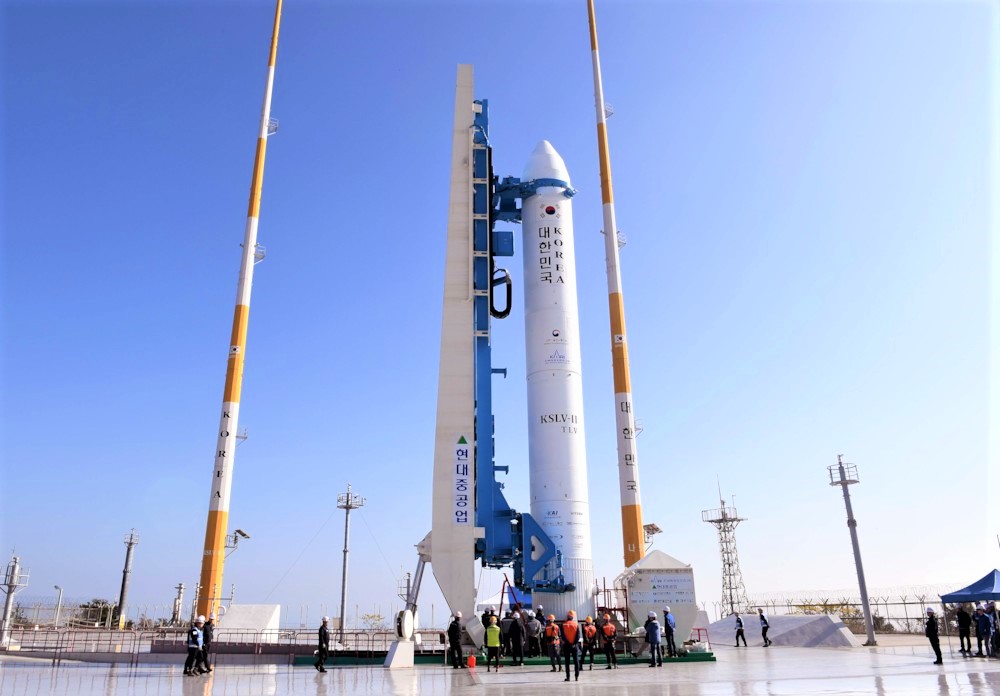

Qinling constellation satellites have made headlines as China successfully launched its first two satellites. This achievement underscores China’s growing capabilities in space technology and exploration.
Overview of the Qinling Constellation
The Qinling constellation satellites represent a significant advancement in China’s space capabilities. Designed to enhance the country’s remote sensing and communication technologies, these satellites aim to provide critical data for various sectors, including agriculture, disaster management, and environmental monitoring.
The recent launch of the first two Qinling constellation satellites marks a pivotal moment in China’s efforts to establish a comprehensive space infrastructure. These satellites are equipped with state-of-the-art imaging technology that enables high-resolution observation of the Earth’s surface.
Key features of the Qinling constellation include:
- Advanced imaging capabilities for precise data collection.
- Real-time data transmission to support timely decision-making.
- Enhanced coverage to monitor vast areas efficiently.
Overall, the Qinling constellation satellites are poised to make significant contributions to China’s technological landscape.
Significance of China’s Satellite Launch
The successful launch of the Qinling constellation satellites marks a significant milestone in China’s space exploration efforts. These satellites are designed to enhance various applications, including environmental monitoring, disaster management, and resource management. By deploying the Qinling constellation satellites, China aims to improve its capabilities in Earth observation and data collection.
This advancement not only strengthens China’s position in the global space race but also contributes to international efforts in tackling environmental challenges. The satellites are expected to provide critical insights into climate change and natural resource depletion, ultimately aiding in sustainable development. Furthermore, the Qinling constellation satellites will support scientific research and foster collaboration in space technology, paving the way for future innovations in the field.
In summary, the launch signifies a leap forward in China’s ambition to harness satellite technology for a better understanding of our planet.
Technological Innovations Behind the Satellites
The launch of the Qinling constellation satellites marks a significant leap in technological innovation for China’s space program. These satellites are equipped with advanced imaging systems that provide high-resolution data, crucial for various applications including agriculture and environmental monitoring.
Key innovations include:
- Miniaturized Sensors: The satellites utilize compact sensors that enhance imaging capabilities while reducing weight.
- Artificial Intelligence: AI algorithms process data in real-time, allowing for quicker decision-making and improved resource management.
- Robust Communication Systems: Enhanced communication technology ensures reliable data transmission even in challenging conditions.
With the Qinling constellation satellites, China aims to set new standards in satellite technology and expand its role in global space research.
Future Plans for the Qinling Constellation
The future plans for the Qinling constellation satellites are ambitious and aim to enhance China’s capabilities in satellite technology and Earth observation. The next phase of development will focus on expanding the constellation, with additional satellites scheduled for launch in the coming years. This expansion will enable improved data collection, allowing for more accurate monitoring of environmental changes and disaster response.
Moreover, collaboration with international partners is being considered to enhance the functionality and reach of the Qinling constellation. This strategy aims to integrate various technological advancements, ensuring that the satellites remain at the forefront of innovation.
As China continues to invest in space exploration and satellite technology, the Qinling constellation is poised to play a crucial role in the nation’s efforts to establish a comprehensive space infrastructure.
International Reactions to the Launch
The launch of the Qinling constellation satellites has garnered significant international attention, reflecting the growing interest in China’s advancements in space technology.
Global reactions have highlighted several key aspects:
- Technological Progress: Experts from various countries have noted that the Qinling constellation satellites represent a leap forward in satellite technology, offering enhanced capabilities.
- Strategic Implications: Some analysts view the launch as a strategic move by China to strengthen its position in the global space race.
- Collaboration Opportunities: There are calls for potential collaborations between China and other nations, as the capabilities of the Qinling constellation satellites could benefit global satellite communication and data sharing.
As the world watches closely, the implications of this launch could resonate beyond China’s borders.
Impact on Global Space Exploration
The recent launch of the Qinling constellation satellites marks a significant milestone in global space exploration. These satellites are expected to enhance Earth’s observation capabilities, providing crucial data for various scientific and environmental applications. Experts believe that the Qinling constellation will play a vital role in addressing global challenges such as climate change and disaster management.
Moreover, the successful deployment has prompted discussions on international collaboration in space. Countries around the world are looking to leverage the advanced technology of the Qinling constellation for their own research and development efforts.
As nations strive to understand our planet better, the Qinling constellation satellites could foster partnerships that transcend borders, ultimately paving the way for shared knowledge and resources in the realm of space exploration.
Photo by 静 on Pexels
Where this came from
Related stories
Data centres in India: Proven growth amid AI demand · One UI 9 Features: Best New AI Tools for Galaxy S26 · Airtel Cloud adoption: Best Proven Growth in Manufacturing