Edge AI Innovation is at the forefront of advancements in space technology, especially with the upcoming 2027 Super Raven Mission. This initiative showcases how artificial intelligence is reshaping the industry.
Overview of the 2027 Super Raven Mission
The 2027 Super Raven Mission represents a significant leap forward in aerospace technology, showcasing the potential of Edge AI innovation. This mission aims to enhance satellite operations and data processing directly at the edge, minimizing latency and maximizing efficiency.
As part of the initiative, Galaxia has outlined several key objectives:
- Real-time data processing: By utilizing Edge AI, the mission will enable immediate decision-making and analysis of data collected from various sensors.
- Autonomous operations: The integration of advanced AI algorithms will allow spacecraft to operate independently, reducing the need for constant human oversight.
- Enhanced communication: Edge AI will facilitate improved communication between satellites, ensuring seamless data sharing and collaboration.
- Sustainability: The mission aims to minimize energy consumption through efficient AI-driven processes, making it a more environmentally responsible endeavor.
Galaxia’s commitment to developing a robust talent pipeline is essential for the success of the Super Raven Mission. By fostering skilled professionals in the field of Edge AI innovation, the company is preparing for the complex challenges that lie ahead.
With a focus on cutting-edge technology and a skilled workforce, the 2027 Super Raven Mission is set to redefine the standards of space exploration and satellite technology.
The Role of Edge AI in Space
The integration of Edge AI technology into space missions is poised to revolutionize how data is processed and utilized in real-time environments. As the 2027 Super Raven Mission approaches, the role of Edge AI innovation becomes increasingly critical for enhancing operational efficiency and decision-making capabilities.
Edge AI allows for data processing to occur closer to the source, minimizing latency and reducing the need for constant communication with Earth. This capability is particularly essential for missions venturing into deep space, where communication delays can hinder timely responses to unfolding situations.
Key advantages of implementing Edge AI in the Super Raven Mission include:
- Real-time data analysis: Edge AI systems can analyze vast amounts of data on-site, enabling astronauts and mission control to make informed decisions without waiting for data relay.
- Autonomous operations: With advanced algorithms, Edge AI can manage spacecraft systems autonomously, enhancing reliability and reducing the workload on crew members.
- Improved resource allocation: By processing data locally, Edge AI helps optimize the use of onboard resources, ensuring that power and materials are utilized effectively.
As the 2027 mission unfolds, the impact of Edge AI innovation will be closely monitored, providing valuable insights for future space exploration endeavors.
Talent Development for Future Missions
The advancement of Edge AI innovation is not only transforming technology but also reshaping the landscape of talent development for future missions. As organizations prepare for the ambitious 2027 Super Raven Mission, the emphasis on cultivating skilled professionals in this field has never been more critical.
To address the growing demand for expertise in Edge AI, several initiatives have been launched:
- University Partnerships: Collaborations with top universities are facilitating research programs focused on Edge AI applications in space technology.
- Workshops and Training: Industry leaders are hosting workshops aimed at equipping students and professionals with cutting-edge skills pertinent to Edge AI innovation.
- Internship Opportunities: Companies are offering internships that immerse young talent in real-world projects involving Edge AI solutions, enhancing their hands-on experience.
Furthermore, the integration of Edge AI into educational curriculums ensures that upcoming generations are well-prepared to tackle the complexities of future missions. This proactive approach not only nurtures talent but also fosters a culture of innovation that is essential for the success of initiatives like the Super Raven Mission.
As the industry evolves, investing in talent development remains a top priority, ensuring that the next wave of experts is equipped to harness the full potential of Edge AI innovation.
Key Innovations from Galaxia
Galaxia has unveiled several key innovations that underscore the role of Edge AI innovation in the upcoming 2027 Super Raven Mission. These advancements promise to enhance operational efficiency and data processing capabilities in space exploration.
Among the notable innovations are:
- Real-time Data Processing: By leveraging edge computing, the mission will enable real-time analysis of vast amounts of data directly from spacecraft sensors, minimizing latency and improving decision-making.
- Autonomous Navigation Systems: Advanced algorithms will allow spacecraft to navigate autonomously, reducing reliance on Earth-based commands and enhancing mission resilience.
- Enhanced Predictive Maintenance: With the integration of AI-driven diagnostics, the spacecraft can predict and mitigate potential system failures before they occur, ensuring mission integrity.
- Adaptive Learning Models: These models will evolve during the mission, allowing the spacecraft to adapt to unforeseen challenges and optimize its performance based on real-time feedback.
These innovations represent a significant leap forward in the application of edge computing technologies in space missions. As Galaxia prepares for the Super Raven Mission, the emphasis on Edge AI innovation not only showcases technological prowess but also reinforces the company’s commitment to pushing the boundaries of exploration.
Challenges in Implementing Edge AI
Despite the promising advancements in Edge AI Innovation, several challenges remain in its implementation, particularly in the context of the 2027 Super Raven Mission. These challenges can impact the effectiveness and reliability of edge computing systems designed for space exploration.
- Data Processing Limitations: The ability to process vast amounts of data in real-time is crucial. However, the limited computational power of edge devices can hinder performance, leading to delays in data analysis and decision-making.
- Connectivity Issues: In space, maintaining a consistent connection between edge devices and centralized systems is challenging. Signal interruptions can lead to data loss or delays, making it difficult for AI systems to function optimally.
- Energy Constraints: Edge devices often operate under strict energy limitations. Balancing power consumption while ensuring robust AI capabilities is a critical consideration for mission success.
- Security Risks: As edge devices become integral to mission operations, they also present potential vulnerabilities. Ensuring cybersecurity measures are in place is essential to protect sensitive data from unauthorized access.
Addressing these challenges is vital for maximizing the potential of Edge AI Innovation and ensuring the success of future missions like the Super Raven. Ongoing research and development efforts will be crucial in overcoming these obstacles.
Impact of AI on Space Exploration
The impact of AI on space exploration is profound, with advancements in technology paving the way for innovative approaches to mission challenges. As humanity aims for deeper space exploration, the integration of Edge AI innovation is becoming increasingly crucial. This technology enables real-time data processing directly at the source, minimizing latency and enhancing decision-making capabilities.
In the context of the 2027 Super Raven Mission, the applications of Edge AI are manifold:
- Enhanced Data Processing: Edge AI allows for the swift analysis of vast amounts of data collected from various instruments, ensuring that critical information is available for immediate action.
- Autonomous Operations: With Edge AI, spacecraft can operate with a higher degree of autonomy, reducing the need for constant communication with Earth and allowing for quicker responses to unexpected conditions.
- Resource Optimization: The technology can optimize power and resource usage on missions, which is vital for long-duration space travel where every resource counts.
- Improved Safety: By analyzing data in real time, Edge AI can help identify potential hazards, enhancing the safety of both crewed and uncrewed missions.
As we look towards the future of space exploration, the role of Edge AI innovation continues to expand, offering new possibilities for overcoming the challenges of venturing into the unknown.
Future Trends in Space Technology
As the 2027 Super Raven Mission approaches, several future trends in space technology are emerging, particularly in the realm of Edge AI Innovation. These advancements are set to redefine how missions are planned, executed, and analyzed.
One significant trend is the increased reliance on decentralized processing. This allows data to be processed closer to its source, reducing latency and bandwidth usage. With Edge AI, spacecraft can make real-time decisions based on the information gathered during their journey, enhancing operational efficiency and responsiveness in critical situations.
Another key development is the integration of autonomous systems. These systems leverage Edge AI to perform complex tasks without constant human intervention. This capability is crucial for deep space exploration, where communication delays can hinder timely decision-making.
Additionally, enhanced data analytics powered by Edge AI will lead to more effective mission planning and resource management. By analyzing vast amounts of data from previous missions, agencies can optimize their strategies and improve mission outcomes.
Finally, collaboration between private companies and government agencies is expected to accelerate the pace of innovation. As partnerships grow, the sharing of expertise and resources will bolster the development of cutting-edge technologies essential for future space missions.
In conclusion, the future of space technology is bright, with Edge AI Innovation playing a pivotal role in shaping the next generation of exploration endeavors.
Conclusion and Next Steps
In conclusion, the integration of Edge AI innovation into the 2027 Super Raven Mission highlights a transformative shift in space exploration strategies. As we’ve explored throughout this article, the benefits of deploying Edge AI technologies are manifold, ranging from enhanced data processing capabilities to improved decision-making in real-time scenarios. These advancements not only streamline operations but also significantly reduce the latency often experienced with traditional systems.
Looking ahead, it is crucial for stakeholders in the space industry to prioritize the development and implementation of Edge AI solutions. Future missions will certainly require a robust framework that supports the seamless integration of these technologies. To achieve this, collaboration between tech companies, aerospace organizations, and academic institutions will be essential. By fostering a culture of innovation and knowledge sharing, we can ensure a steady pipeline of talent equipped with the skills necessary to leverage Edge AI effectively.
Moreover, addressing the challenges identified earlier, such as reliability and cybersecurity concerns, will be vital. Continued investment in research and development will pave the way for overcoming these obstacles and maximizing the potential of Edge AI in future space missions.
As we move closer to 2027, the ongoing commitment to these next steps will not only enhance the Super Raven Mission but also set a new standard for how we approach exploration in the cosmos.
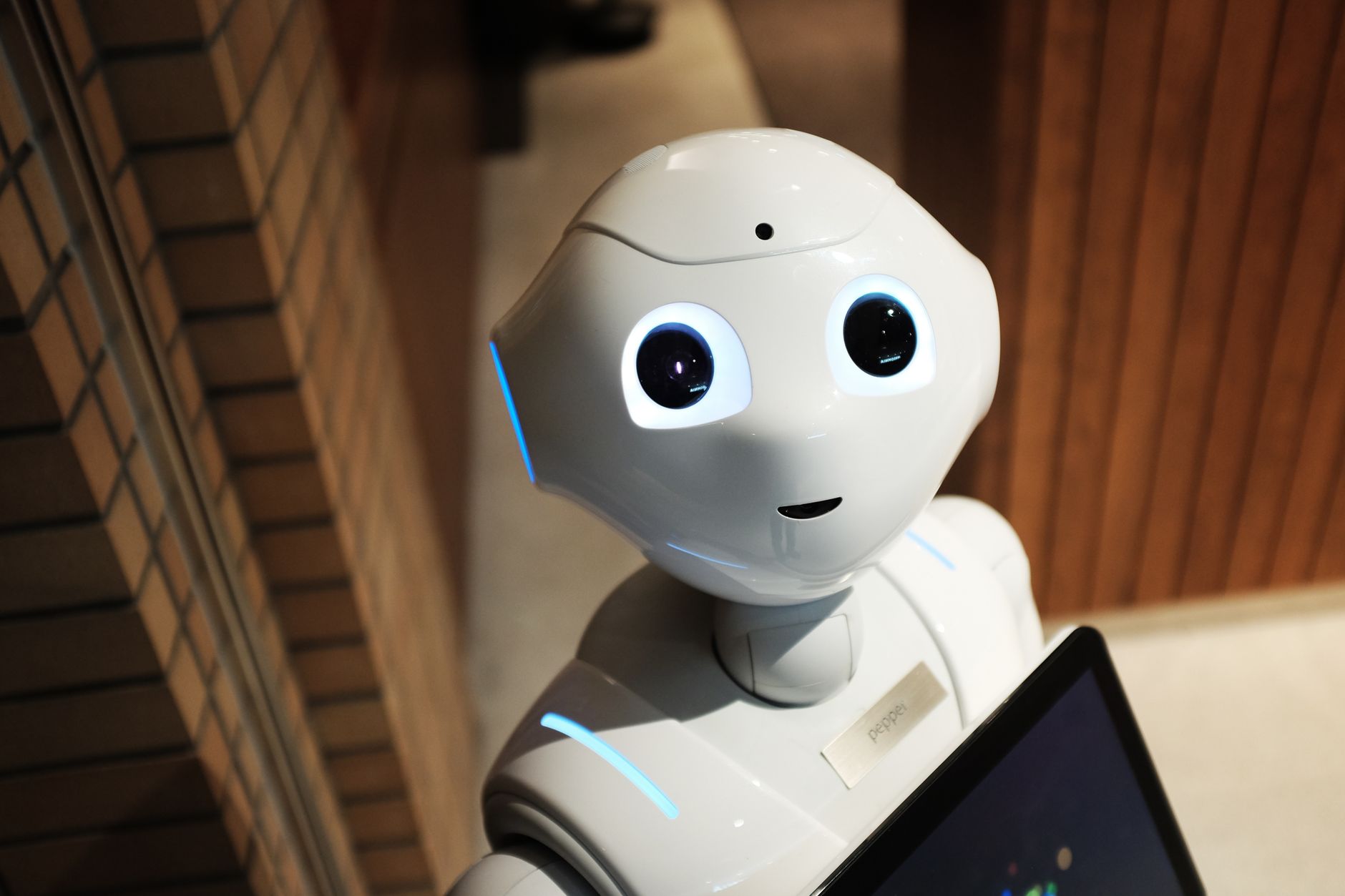
Photo by Alex Knight on Pexels