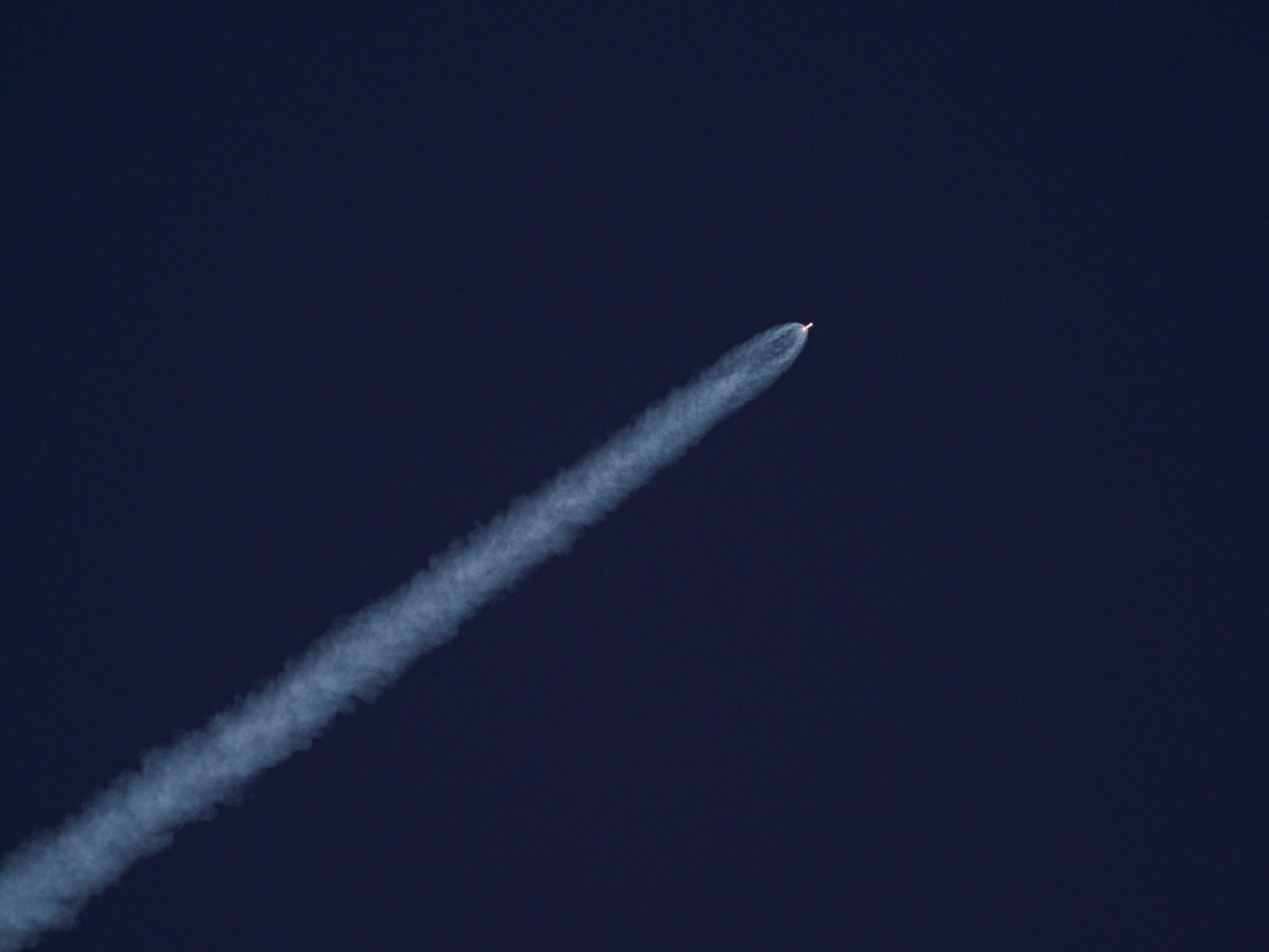
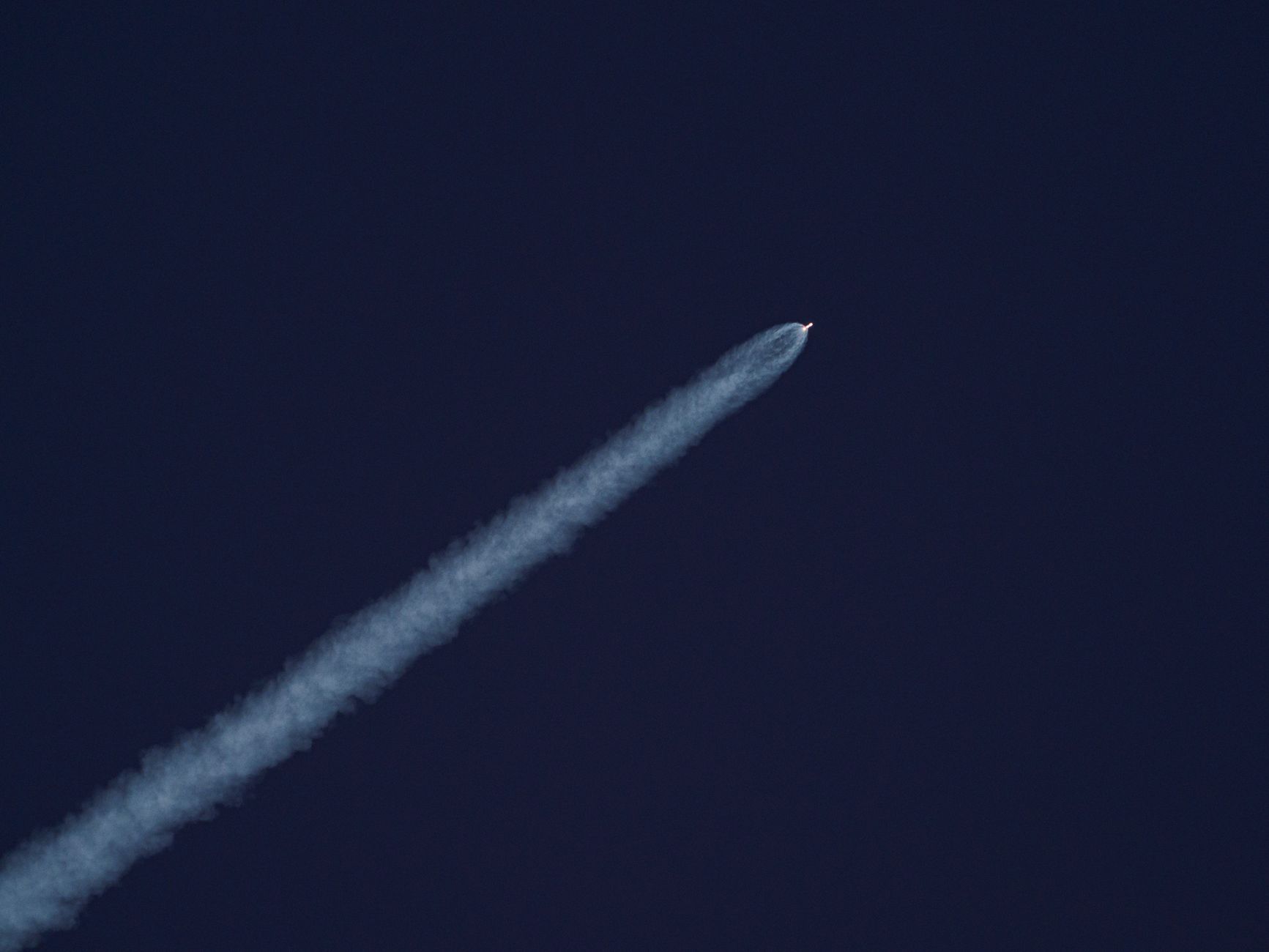
The ULA Vulcan launch anomaly has caused significant setbacks, losing 40 Amazon satellites shortly after liftoff. This incident raises critical questions about the reliability of new launch systems.
What Happened During the ULA Vulcan Launch?
On a recent launch, the United Launch Alliance (ULA) experienced an unexpected incident described as a launch anomaly with its Vulcan rocket. This event occurred shortly after the rocket lifted off, resulting in a significant loss of payload. Specifically, 40 satellites intended for Amazon’s Project Kuiper were lost due to the anomaly.
The ULA Vulcan launch was highly anticipated, marking a critical step forward in the company’s efforts to provide reliable access to space. However, the incident has raised concerns regarding the rocket’s performance and future missions. Initial reports indicate that the anomaly occurred during the first stage of flight.
Officials from ULA are currently conducting a thorough investigation to determine the root cause of the failure. In statements released following the incident, ULA emphasized the importance of safety and reliability in its operations.
As the investigation unfolds, industry experts and stakeholders are closely monitoring the situation. The loss of 40 Amazon satellites represents not only a setback for ULA but also for Amazon’s plans to enhance global internet coverage through its satellite constellation.
The incident highlights the challenges of space launches and the potential risks involved as the aerospace industry continues to innovate and expand.
Impact on Amazon’s Satellite Plans
The recent ULA Vulcan launch anomaly has significantly impacted Amazon’s ambitious plans to expand its satellite network. The loss of 40 satellites, which were intended to enhance global internet coverage, raises concerns about the timeline and feasibility of the project.
Amazon’s Project Kuiper, aimed at providing high-speed internet to underserved regions, was heavily reliant on the successful deployment of these satellites. With the recent setback, Amazon faces delays that could hinder its competitive edge in the burgeoning satellite internet market.
Industry analysts have noted several key implications of this incident:
- Project Delays: The immediate loss of 40 satellites will necessitate a reassessment of launch schedules and production timelines.
- Financial Impact: The anomaly may lead to increased costs, affecting Amazon’s budget and financial projections for Project Kuiper.
- Market Competition: Competitors, such as SpaceX’s Starlink, may gain an advantage as they continue to deploy their satellite networks without interruption.
- Regulatory Scrutiny: The incident may prompt further scrutiny from regulatory bodies regarding satellite launch safety and operational protocols.
As Amazon navigates this setback, the tech giant will need to adapt its strategy to mitigate the fallout from the ULA Vulcan launch anomaly.
Reactions from the Space Community
The recent ULA Vulcan launch anomaly has sent shockwaves through the space community, prompting a wave of reactions from industry experts and enthusiasts alike. Many expressed their disappointment over the loss of 40 Amazon satellites, which were pivotal for the company’s ambitious plans to expand broadband coverage globally.
Space analysts have been quick to assess the implications of the anomaly. Dr. Jane Holloway, a leading aerospace engineer, stated, “This incident raises significant concerns about the reliability of new launch vehicles. The ULA Vulcan was seen as a promising alternative, and this setback could impact future missions.”
Industry insiders have also highlighted the potential repercussions for Amazon’s Project Kuiper. Mark Chen, a satellite communications expert, commented, “This loss delays not just Amazon’s timeline but also raises questions on the robustness of their supply chain and technology.”
Social media platforms lit up with reactions from space enthusiasts. Many expressed sympathy for Amazon while others called for a comprehensive investigation into the ULA Vulcan launch anomaly. “We need to learn from this to ensure safer launches in the future,” one user tweeted, encapsulating a sentiment shared by many in the community.
As the dust settles, the focus now shifts to understanding the causes behind this launch failure and its long-term effects on the space industry.
Future of ULA’s Launch Schedule
The recent ULA Vulcan launch anomaly has raised significant concerns regarding the future of ULA’s launch schedule. Following the loss of 40 Amazon satellites, the timeline for upcoming missions is likely to be affected as the company assesses the situation.
ULA has stated that they are committed to understanding the root cause of the anomaly before proceeding with further launches. This investigation will involve:
- Conducting thorough diagnostics on the Vulcan rocket’s systems.
- Collaborating with engineers and experts to evaluate the data collected during the launch.
- Implementing any necessary modifications to ensure the safety and reliability of future missions.
As a result, the anticipated timeline for the next ULA Vulcan launches may be delayed. This could impact not only Amazon’s satellite deployment plans but also other clients relying on ULA’s services. The company has reassured its customers that they are prioritizing safety while striving to return to their launch cadence.
In the coming weeks, ULA is expected to release updates regarding their findings and the revised launch schedule. Industry observers will be closely monitoring the situation to gauge the long-term implications of this anomaly on ULA’s reputation and operational capacity.
Understanding Launch Anomalies in Space
Launch anomalies are unexpected events that occur during the rocket launch process, which can lead to mission failure or loss of payload. Understanding these incidents is crucial for the aerospace industry, as they can significantly impact satellite deployments, like the recent ULA Vulcan launch anomaly that resulted in the loss of 40 Amazon satellites.
There are several types of launch anomalies, including:
- Technical Failures: Issues with rocket systems, such as propulsion or guidance, can lead to catastrophic failures.
- Environmental Factors: Weather conditions, such as high winds or lightning, may cause delays or launch cancellations.
- Human Error: Mistakes in calculations or procedures can result in improper launch configurations.
Each of these factors highlights the complexity of space missions and underscores the importance of rigorous testing and validation processes. When a launch anomaly occurs, it not only affects the immediate mission but can also have broader implications for future launches and partnerships. The recent ULA Vulcan incident serves as a reminder of the inherent risks in space exploration and the continuous need for advancements in technology and safety protocols.
As the space community evaluates this incident, it will be essential to learn from the ULA Vulcan launch anomaly to prevent similar occurrences in the future.
The ULA Vulcan launch anomaly has raised concerns about the reliability of future satellite deployments. As investigations continue, the implications of the ULA Vulcan launch anomaly on the broader space industry are becoming increasingly significant.
Photo by Dirk Schuneman on Pexels