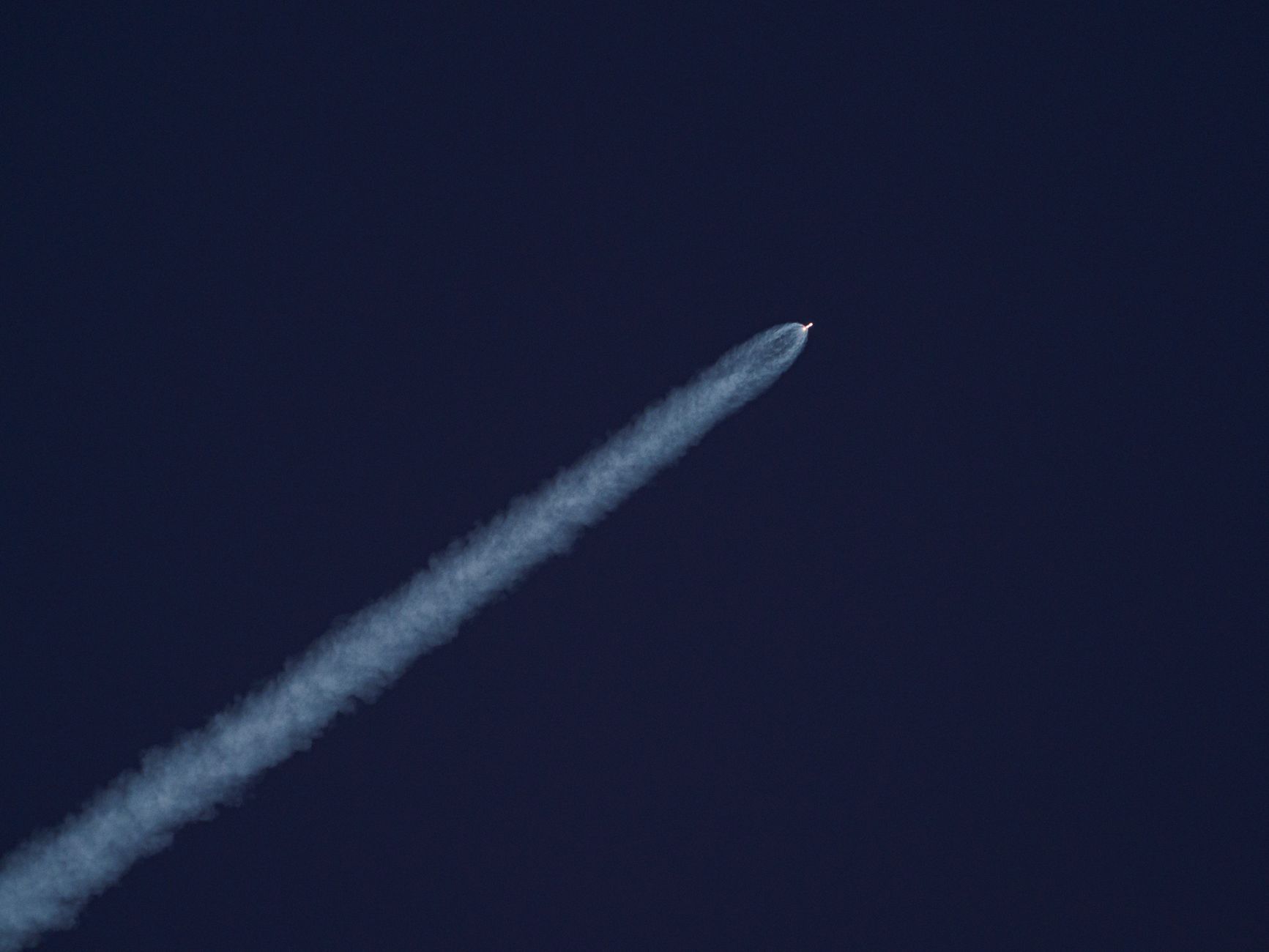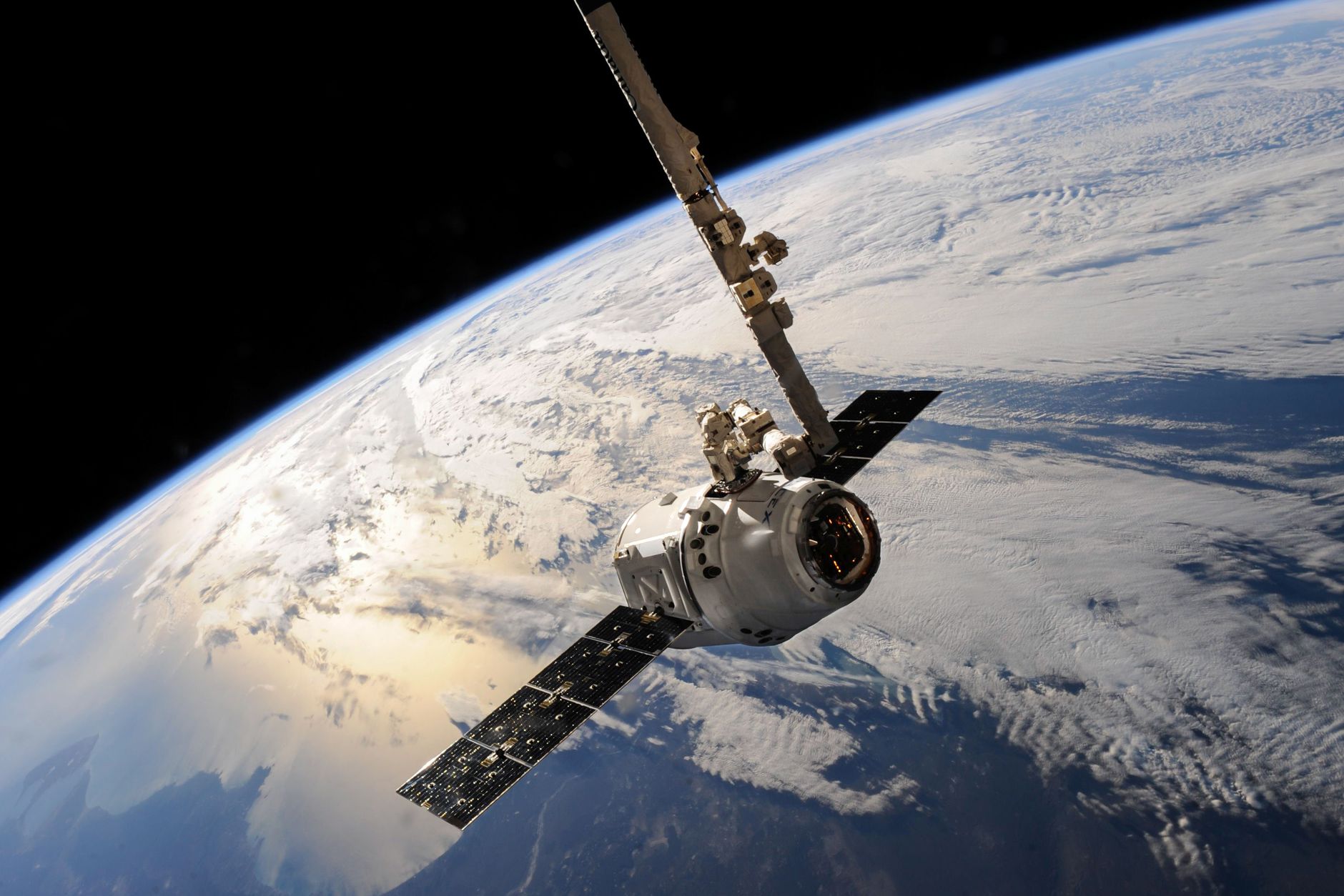
NVS-03 satellite launch marks a pivotal moment for India’s NavIC navigation system. This successful mission by ISRO showcases India’s growing capabilities in space technology.
Overview of NVS-03 Satellite Launch
The recent NVS-03 satellite launch by the Indian Space Research Organisation (ISRO) marks a significant milestone for India’s navigation capabilities. This satellite is part of the NavIC system, which provides accurate positioning services to users across the Indian region and beyond.
The launch took place on July 1, 2023, and has been hailed as a crucial step in enhancing the robustness of the NavIC constellation. With the addition of NVS-03, the system is expected to improve signal accuracy and reliability, thereby benefiting various sectors, including transportation, agriculture, and disaster management.
The NVS-03 satellite is equipped with advanced technology that ensures better performance in urban environments, where satellite signals can often be obstructed. As India continues to invest in its space capabilities, the NVS-03 satellite launch is seen as a pivotal moment for the future of navigation in the region.
Significance of NavIC Navigation System
The significance of the NavIC navigation system cannot be understated, especially following the recent NVS-03 satellite launch. Developed by the Indian Space Research Organisation (ISRO), NavIC is a regional satellite navigation system that provides accurate position information services to users in India and the surrounding region.
With the launch of the NVS-03 satellite, the reliability and accuracy of NavIC are expected to improve significantly. This system offers several advantages over global navigation systems, including:
- High Precision: NavIC provides positioning accuracy of around 5 meters in India.
- Independence: It reduces dependence on foreign navigation systems.
- Enhanced Connectivity: The additional satellite will help strengthen signal coverage in remote areas.
As the NVS-03 satellite joins the constellation, it marks a pivotal moment for NavIC, positioning it as a robust contender in the global navigation landscape.
ISRO’s Recent Achievements
The Indian Space Research Organisation (ISRO) has marked another milestone with the successful launch of the NVS-03 satellite. This achievement is crucial as it enhances the capabilities of the NavIC navigation system, which is designed to provide accurate positioning services across India and the surrounding region.
ISRO’s recent accomplishments in satellite technology demonstrate its commitment to advancing space exploration and technology. Key achievements include:
- Launch of multiple satellites: ISRO has successfully deployed various satellites, improving communication and earth observation.
- Innovations in rocket technology: Continuous improvements in launch vehicles have increased payload capacity and reliability.
- International collaborations: ISRO is increasingly partnering with global space agencies for joint missions.
The NVS-03 satellite launch represents yet another leap forward in establishing India as a significant player in the global space arena.
Impact on Global Navigation Systems
The successful launch of the NVS-03 satellite marks a significant milestone for India’s navigation capabilities, particularly for the NavIC system. As global navigation systems continue to evolve, the enhanced features of NavIC are expected to improve accuracy and reliability for users across the region.
Currently, several countries rely on systems like GPS, GLONASS, and Galileo. With the advent of the NVS-03 satellite, NavIC is positioned to compete more effectively on the global stage. This launch not only boosts the regional positioning but also reinforces India’s commitment to advancing its technological prowess in space.
Experts believe that the integration of the NVS-03 will lead to:
- Improved signal quality and coverage
- Enhanced services for civilian and strategic applications
- The potential for collaboration with international navigation systems
Overall, the NVS-03 satellite launch could be the best boost for NavIC, paving the way for future advancements.
Future of Indian Space Missions
The recent NVS-03 satellite launch marks a significant milestone for India’s space endeavors, solidifying the country’s commitment to advancing its navigation capabilities. As the Indian Space Research Organisation (ISRO) continues to innovate, the future of Indian space missions appears promising.
Key areas of focus for upcoming missions include:
- Enhanced communication: Improving satellite connectivity for various sectors, including agriculture and disaster management.
- Earth observation: Launching advanced satellites for better monitoring of environmental changes.
- International collaboration: Partnering with global space agencies to share expertise and resources.
- Commercial ventures: Expanding satellite services to boost the economy and support private space initiatives.
With initiatives like the NVS-03, India is poised to not only enhance its technological capabilities but also assert its presence in the competitive global space industry.
Technological Innovations in NVS-03
The recent NVS-03 satellite launch marks a significant advancement in India’s navigation capabilities, integrating several technological innovations that enhance the functionality of the NavIC system. This satellite is equipped with a more robust atomic clock, improving the accuracy of position determination significantly.
Additionally, NVS-03 features advanced signal transmission techniques that facilitate better communication with ground stations. Its enhanced payload allows for improved data relay, which is crucial for real-time navigation services.
The satellite’s design includes state-of-the-art materials that ensure longevity and resilience against environmental factors, further securing its operational lifespan. The integration of these technologies in the NVS-03 satellite launch not only strengthens the NavIC infrastructure but also positions India as a competitive player in the global navigation satellite system arena.
Overall, the innovations in NVS-03 reflect ISRO’s commitment to excellence and its vision for a self-reliant space program.
Public Reception of the Launch
The public reception of the NVS-03 satellite launch has been overwhelmingly positive, reflecting a growing confidence in India’s space capabilities. Many citizens took to social media to express their excitement and pride in ISRO’s accomplishments. The launch is seen not just as a technical achievement, but as a significant boost for the NavIC navigation system, which aims to provide accurate positioning services across India and surrounding regions.
Experts and enthusiasts have praised ISRO for its commitment to advancing space technology, highlighting the potential applications of NavIC in various sectors, including agriculture, transportation, and disaster management.
Furthermore, educational institutions have begun to incorporate discussions about the NVS-03 satellite launch into their curricula, inspiring a new generation of scientists and engineers. The event has indeed sparked a renewed interest in space exploration and technology among the public.
Comparing NavIC with Other Systems
The recent NVS-03 satellite launch has sparked discussions about the effectiveness of India’s NavIC navigation system in comparison to global counterparts. NavIC, developed by ISRO, is designed to provide accurate positioning services, especially in India and surrounding regions.
When evaluating NavIC against other global systems, several factors come into play:
- Coverage: While NavIC focuses on regional coverage, systems like GPS and GLONASS offer global reach.
- Accuracy: NavIC boasts high precision, particularly in urban and rural settings within its coverage area.
- Independence: NavIC provides India with greater autonomy in navigation services, reducing dependence on foreign systems.
Ultimately, the NVS-03 satellite launch enhances NavIC’s capabilities, positioning it as a competitive player in the navigation landscape.
References
Related reading
ISRO NVS-03 satellite: Proven Success for India’s GPS · NVS-03 satellite launch: Is it the best way to enhance NavIC? · Are Commercial Rocket Launches Worth the Investment?