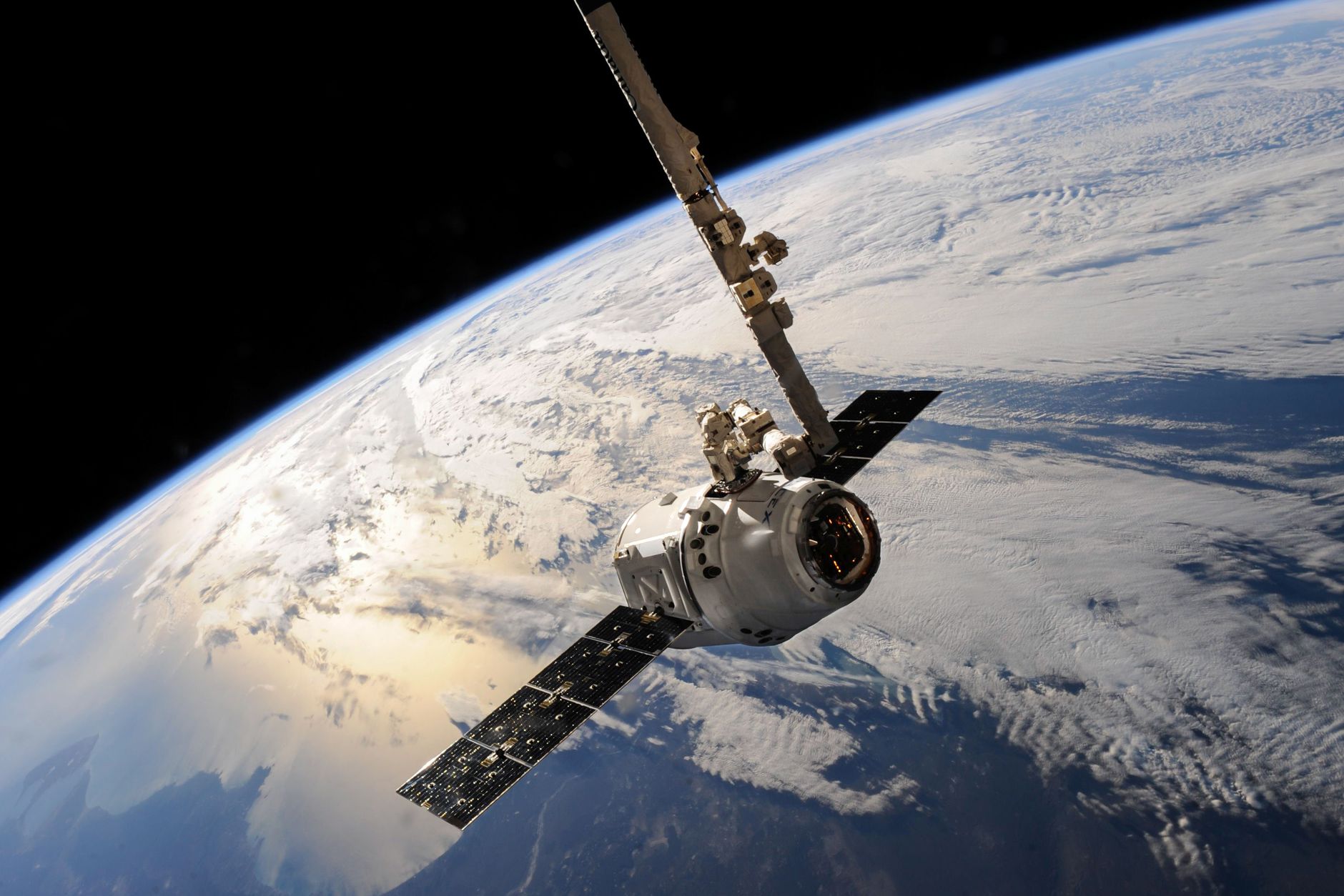
Russia Starlink satellite loss has significant implications for its military communications strategy. The recent failure raises questions about the reliability of its satellite network in critical situations.
Impact on Military Operations
The recent loss of a satellite from Russia’s Starlink program poses significant challenges for military operations, particularly in the context of battlefield communications. As the Russian military increasingly relies on advanced satellite technology, this setback could hinder critical communication lines.
Experts suggest that the Russia Starlink satellite loss might disrupt the coordination of troop movements and logistics. The absence of reliable satellite connections can lead to delays in intelligence sharing and command directives, crucial for effective military engagement.
In light of this incident, military analysts have highlighted several potential impacts:
- Communication Breakdown: The loss may create gaps in real-time communication, affecting decision-making on the battlefield.
- Increased Vulnerability: Without robust satellite support, forces may become more susceptible to enemy tactics.
- Operational Delays: Key military operations could face postponements due to communication inefficiencies.
Overall, the ramifications of the satellite loss extend beyond immediate operational concerns, potentially influencing Russia’s long-term military strategy and technological investments in satellite communications.
Current Status of Russian Satellites
The recent loss of a Russian Starlink satellite has raised significant concerns regarding the current status of Russian satellites and their ability to maintain effective communications. With the ongoing conflict and reliance on advanced technology, these setbacks could hinder military operations.
Currently, the Russian satellite network is experiencing several challenges:
- Technical Failures: The loss of satellites due to malfunctions has become more frequent, suggesting underlying issues in the design or manufacturing processes.
- Limited Coverage: Unlike its rivals, the Russian system lacks extensive global coverage, making it less reliable for troops deployed in various regions.
- Delayed Deployments: Plans to launch additional satellites have faced delays, which further exacerbates the communication gaps in military operations.
- Increased Vulnerability: The loss of a Starlink satellite highlights the vulnerability of Russia’s satellite infrastructure, especially in contested areas where anti-satellite technologies are being tested.
As Russia navigates this challenging landscape, the implications of the Starlink satellite loss extend beyond immediate military applications, potentially affecting civilian communications and national security strategies.
Comparing Starlink and Russian Alternatives
The recent loss of a Starlink satellite has raised questions about the reliability and performance of Russia’s alternatives. While Starlink has established a strong foothold in satellite communications, Russia has been working on its own systems to enhance battlefield connectivity.
One of the key differences between Starlink and Russian alternatives lies in their coverage and accessibility. Starlink provides global coverage with a vast network of satellites, ensuring communication is maintained even in remote areas. In contrast, Russian systems often rely on fewer satellites, limiting their operational range and potentially affecting military coordination.
- Latency: Starlink boasts low latency, which is crucial for real-time communications. Russian alternatives, however, may experience higher latency, hindering timely decision-making in critical situations.
- Deployment Speed: Starlink’s rapid deployment capabilities have allowed it to quickly expand its network. Russian systems have faced delays in production and deployment, leading to setbacks in their communication plans.
- Cost Efficiency: Starlink’s commercial model has proven to be cost-effective for users, while Russian alternatives often suffer from high operational costs and limited economic viability.
The recent Russia Starlink satellite loss highlights the challenges Russia faces in competing with established systems in the satellite communication arena.
Future Prospects for Satellite Communications
The recent Russia Starlink satellite loss has raised concerns about the future of satellite communications in the region. As military operations increasingly rely on reliable communication systems, any setback can significantly impact strategic planning and execution.
Experts believe that Russia’s ambitions in developing its own satellite network may face significant hurdles. The loss of critical satellites not only affects current operations but also undermines confidence in the capabilities of Russian technology. The prospects for enhancing battlefield communications are now in jeopardy.
Several factors could influence the future of satellite communications in Russia:
- Investment in Technology: Continued financial support for research and development may be necessary to recover from this setback.
- International Collaboration: Partnering with nations possessing advanced satellite technology could expedite recovery efforts.
- Adaptation of Strategies: Shifting focus towards more resilient communication methods that do not solely depend on satellite technology.
In summary, while the Russia Starlink satellite loss poses significant challenges, it may also prompt a reevaluation of strategies and investment in more robust and reliable communication systems in the future.
The Russia Starlink satellite loss has raised concerns about the future of communication in remote areas. Analysts believe this setback could significantly impact internet accessibility for millions.
Read the original
You might also like
Bitcoin Core update: Proven privacy fixes and interface enhancements · Final Fantasy 14 release date: Is it the best update ever? · DramaBox app release: Quick status on launch and download