Rocket Lab Electron launch milestones have been a topic of interest in the space industry. This article explores how Rocket Lab achieved its latest significant milestone.
Overview of Rocket Lab’s Achievements
Rocket Lab has made significant strides in the aerospace industry, particularly with its Electron launch vehicle. Since its inception, the company has successfully positioned itself as a key player in the small satellite launch market. The Electron rocket is designed to provide dedicated access to space for small payloads, addressing a growing demand from commercial and governmental sectors alike.
One of the most remarkable achievements of Rocket Lab is its ability to rapidly iterate and improve upon its technology. The company has completed numerous launches, each contributing valuable data and experience that has enhanced the reliability and efficiency of the Electron rocket. With a focus on innovation, Rocket Lab has developed unique features, such as the innovative Rutherford engine and the Electron’s lightweight carbon composite structure.
Furthermore, Rocket Lab has established a robust launch schedule, often conducting multiple missions within a short time frame. This consistency not only showcases the reliability of the Electron launch vehicle but also builds trust with customers looking for timely access to space. As the company continues to expand its capabilities, it remains committed to pushing the boundaries of affordable and accessible space exploration.
Key Features of the Electron Rocket
The Rocket Lab Electron launch has marked a significant achievement in small satellite deployment, showcasing several key features that set it apart in the aerospace industry. These features not only demonstrate the rocket’s capabilities but also highlight Rocket Lab’s innovative approach to space technology.
- Lightweight Design: The Electron rocket is constructed using advanced composite materials, which significantly reduces its weight without compromising structural integrity.
- Rapid Turnaround: With a streamlined manufacturing process, Rocket Lab is able to prepare the Electron for launch in a matter of weeks, allowing for more frequent missions.
- Dedicated Launch Services: The Electron is specifically designed to cater to small satellite operators, providing a dedicated launch service that meets the growing demand for small payloads.
- Effective Cost Management: The use of innovative technologies enables Rocket Lab to offer competitive pricing for launches, making it an attractive option for both commercial and governmental clients.
- Electron’s Reusability: Future plans include enhancing the rocket’s reusability, which can further lower launch costs and increase operational efficiency.
These attributes of the Rocket Lab Electron launch exemplify the company’s commitment to pushing the boundaries of space exploration and providing reliable services to the satellite industry.
Rocket Lab’s Future Plans
As Rocket Lab celebrates its recent success with the Electron launch, the company is setting its sights on an ambitious future. With an eye on expanding its capabilities and market presence, Rocket Lab is actively pursuing several strategic initiatives.
One of the primary goals is to enhance the Electron rocket’s payload capacity. By refining its design and incorporating advanced materials, Rocket Lab aims to support larger and more complex satellite missions. This evolution would position the Electron as a more competitive option in the growing small satellite market.
In addition, Rocket Lab plans to diversify its launch services. The company is exploring options to introduce new launch vehicles that could cater to different payload types and customer needs. This diversification strategy is expected to attract a wider clientele, from governmental organizations to commercial enterprises.
Moreover, Rocket Lab is investing in its satellite technology, aiming to develop its own constellation for earth observation and communication. This vertical integration could provide significant advantages in terms of operational efficiency and data management.
With these initiatives, Rocket Lab is poised to not only solidify its status in the aerospace industry but also redefine the future of space exploration and satellite deployment.
Impact of Electron Launch on Space Industry
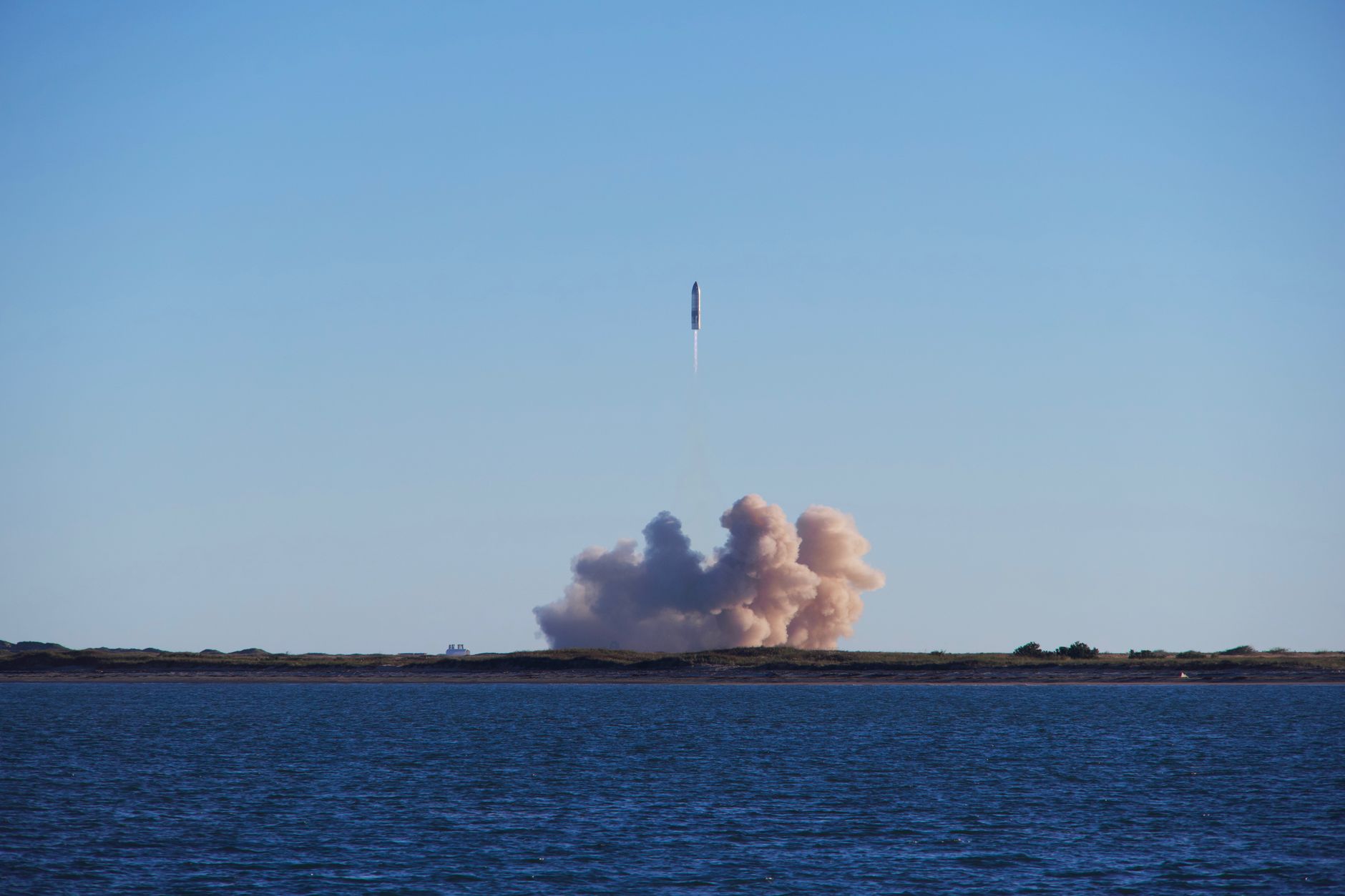
The recent Rocket Lab Electron launch has made significant waves in the space industry, reinforcing the company’s position as a key player in the small satellite launch market. This milestone not only highlights Rocket Lab’s technological advancements but also showcases the growing demand for reliable and efficient launch services.
As satellite technology continues to evolve, the need for dedicated small satellite launches has surged. The Electron rocket is designed to cater specifically to this segment, providing a cost-effective solution for deploying smaller payloads into orbit. The success of the latest launch is expected to inspire confidence among potential clients and investors, further driving innovation in the sector.
Moreover, the implications of this launch extend beyond Rocket Lab itself. It signals a shift in how smaller companies and emerging startups can access space. The enhanced accessibility to launch services allows for increased experimentation and development of new technologies, potentially leading to breakthroughs in various fields such as communications, Earth observation, and scientific research.
In summary, the impact of the Electron launch on the space industry is profound, setting a precedent for future launches and solidifying Rocket Lab’s role in shaping the next era of space exploration.
The successful Rocket Lab Electron launch has marked a significant achievement in the company’s journey toward more frequent and affordable access to space. With this milestone, the Rocket Lab Electron launch demonstrates the reliability and efficiency that the aerospace industry has come to expect from innovative small satellite launch providers.
Photo by Forest Katsch on Pexels