PC processor price hikes are becoming a concerning trend in the tech industry. Qualcomm’s reported 10% increase could significantly impact consumers and businesses alike.
Understanding the Recent Price Hikes
Recent trends in the technology market have revealed significant increases in the prices of PC processors, with reports indicating a notable rise of around 10% from major manufacturers like Qualcomm. This surge in pricing is not just a minor adjustment; it reflects broader economic pressures that are affecting the overall semiconductor industry.
Understanding the factors behind these price hikes is crucial for consumers looking to upgrade or build new systems. Several elements contribute to this situation:
- Supply Chain Disruptions: Ongoing challenges in global supply chains continue to affect manufacturing and delivery timelines.
- Increased Demand: With remote work and gaming becoming more prevalent, the demand for high-performance processors has surged.
- Raw Material Costs: The rising costs of essential materials used in semiconductor fabrication are driving up prices.
These PC processor price hikes can severely impact budgets, making it essential for consumers to stay informed and plan their purchases strategically.
Impact on Laptop Performance
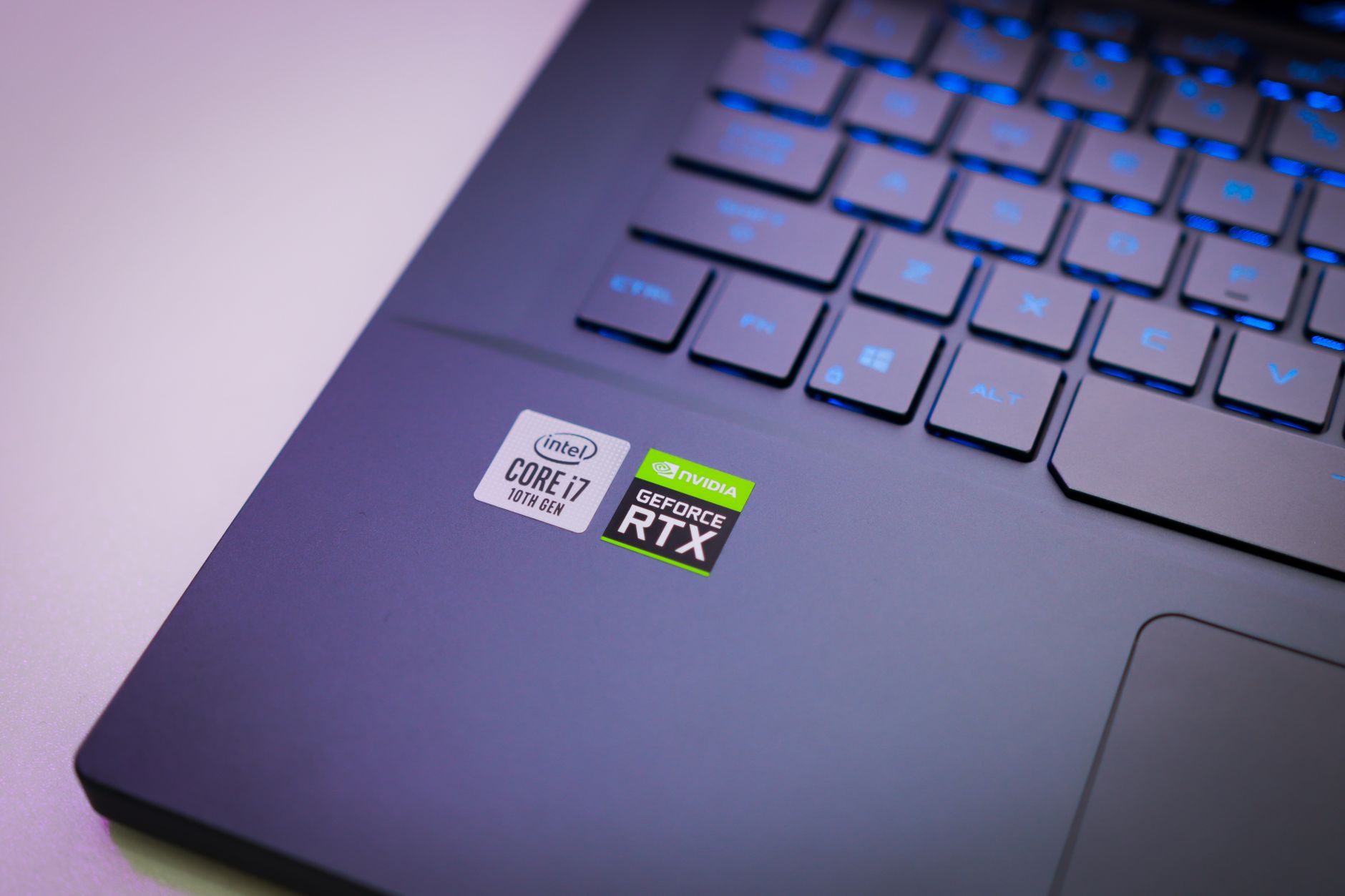
The recent PC processor price hikes are not just a financial concern; they also significantly affect laptop performance. As manufacturers grapple with increased costs, many have opted to pass these expenses onto consumers, resulting in a market where high-performance laptops may become less accessible.
When processors become more expensive, the implications are felt across the entire laptop spectrum. Here are some key impacts:
- Reduced Innovation: With higher costs, companies may prioritize profit margins over investing in innovative technologies or enhancements.
- Limited Options: Consumers may find fewer choices in the mid-range and budget sectors, as companies focus on premium models to maintain profitability.
- Performance Disparities: Rising prices could lead to a wider performance gap between entry-level and high-end devices, making it harder for users to find a suitable machine.
- Longer Upgrade Cycles: As budgets tighten due to these price hikes, users may hold onto their older devices longer, resulting in potential performance bottlenecks.
Ultimately, these shifts could reshape the landscape of laptop performance and affordability in the coming months.
Qualcomm’s Role in the Market
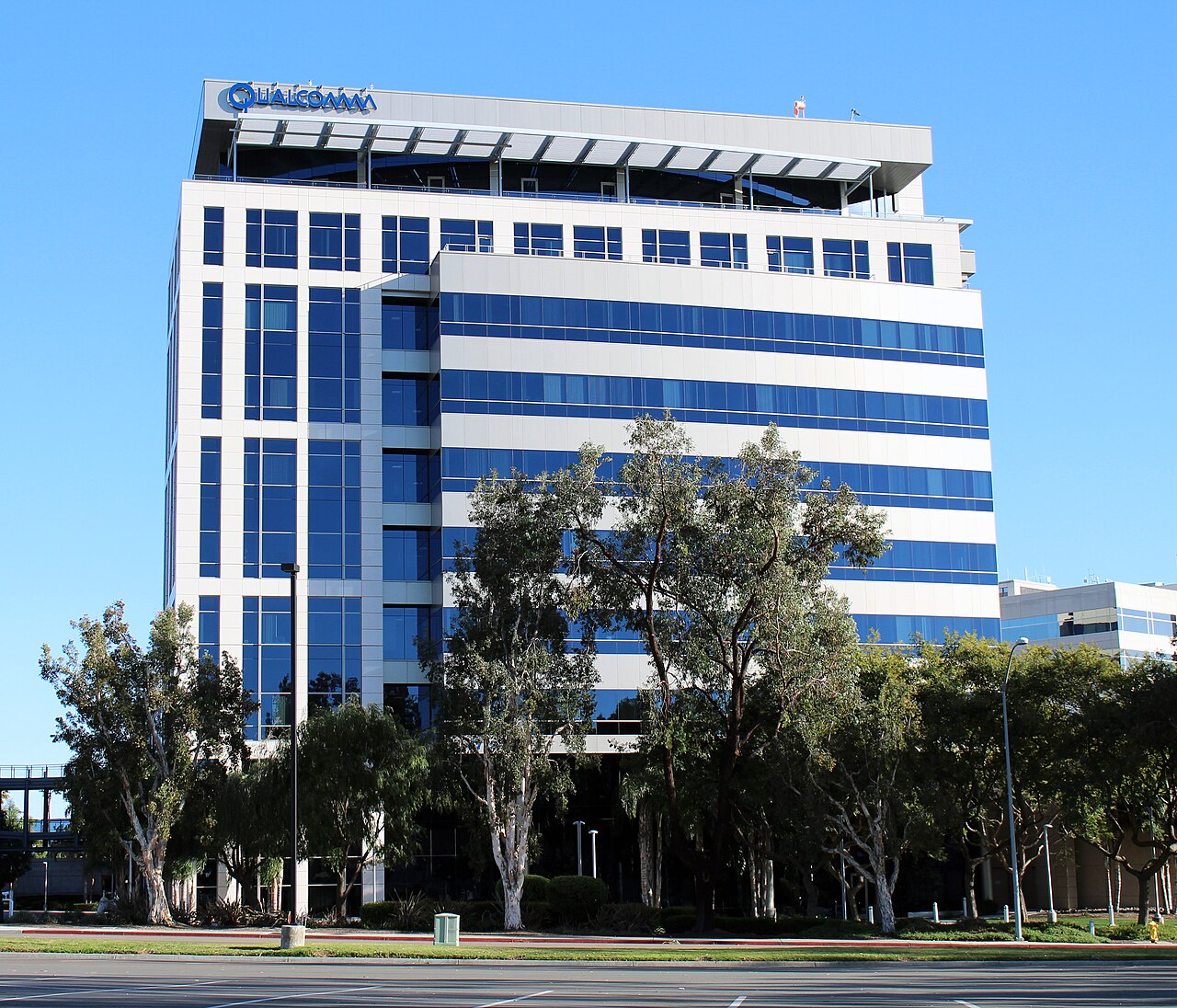
Qualcomm has emerged as a significant player in the ongoing discourse surrounding PC processor price hikes. As a leading manufacturer of semiconductors, the company recently announced a reported 10% increase in prices for its processors. This decision is likely to reverberate throughout the tech industry, impacting both manufacturers and consumers alike.
The price hikes are attributed to several factors, including rising production costs and supply chain disruptions. As companies scramble to keep up with demand, these increases may lead to higher prices for end-users, further straining budgets.
Experts suggest that Qualcomm’s move could set a precedent for other chipmakers, potentially leading to a domino effect in the market. This could mean that consumers will face even steeper price hikes as competition intensifies and supply issues persist.
As the market reacts to these changes, it remains essential for buyers to stay informed about the implications of these price hikes. Understanding the broader context of Qualcomm’s role in the market can provide valuable insights into future trends and pricing strategies.
Consumer Responses to Price Changes
As the news of PC processor price hikes continues to circulate, consumers are voicing their concerns about the financial strain it places on their budgets. Many individuals are expressing frustration over the increased costs, which can significantly affect their purchasing decisions.
According to a recent survey, a large percentage of respondents reported that they are reconsidering their plans to upgrade their systems. The following sentiments were commonly expressed:
- Value for Money: Many consumers feel that the performance improvements do not justify the higher prices.
- Budget Constraints: With rising inflation, consumers are prioritizing essential expenses over tech upgrades.
- Delayed Purchases: Several individuals stated they would postpone buying new PCs until prices stabilize.
Moreover, some tech enthusiasts are turning to the second-hand market to avoid the impact of these price hikes. The overall sentiment is one of disappointment, as users hope that the market will eventually adjust to more reasonable price points for PC processors.
With Qualcomm’s reported 10% rise, the outlook remains uncertain.
Future Predictions for PC Prices
As the tech industry grapples with increasing costs, future predictions for PC prices indicate that consumers may continue to feel the strain of PC processor price hikes. Analysts suggest that the ongoing supply chain challenges and demand for advanced technology will contribute to sustained price increases in the upcoming years.
Furthermore, leading manufacturers are exploring ways to mitigate costs, but many of their efforts may not fully alleviate the pressure on consumer budgets. Market experts predict a potential rise of up to 15% for certain high-performance processors due to the escalating production expenses.
In light of this situation, consumers are encouraged to stay informed about market trends and consider timing their purchases strategically. The potential for further price hikes means that waiting to upgrade could result in higher costs down the line.
As companies like Qualcomm adjust their pricing strategies, the ripple effects will likely be felt across the entire market. Understanding these PC processor price hikes is essential for consumers looking to make informed decisions in a rapidly evolving landscape.
Tips for Budgeting Around Price Hikes
As consumers face the reality of PC processor price hikes, budgeting effectively becomes essential to manage the impact on personal finances. Here are some tips to help navigate these changes.
- Assess Your Needs: Determine what tasks you require from your PC. If you use basic applications, consider lower-end models that may offer better value.
- Research Alternatives: Look into brands or models that may not be as affected by price hikes. Sometimes lesser-known options can provide similar performance at a lower cost.
- Wait for Sales: Keep an eye on seasonal sales or special promotions. Prices can fluctuate, and waiting could lead to significant savings.
- Consider Refurbished Units: Refurbished PCs can offer substantial savings without sacrificing performance, allowing you to sidestep some of the price hikes.
- Build Your Own: If you are tech-savvy, building your own PC can help you choose components that fit your budget and needs while avoiding inflated prices.
By employing these strategies, consumers can better cope with the financial strain caused by recent price hikes in PC processors.
The recent PC processor price hikes have left many consumers re-evaluating their technology budgets. As demand continues to rise, the impact of these PC processor price hikes is becoming increasingly evident in the market.
via Wikimedia Commons