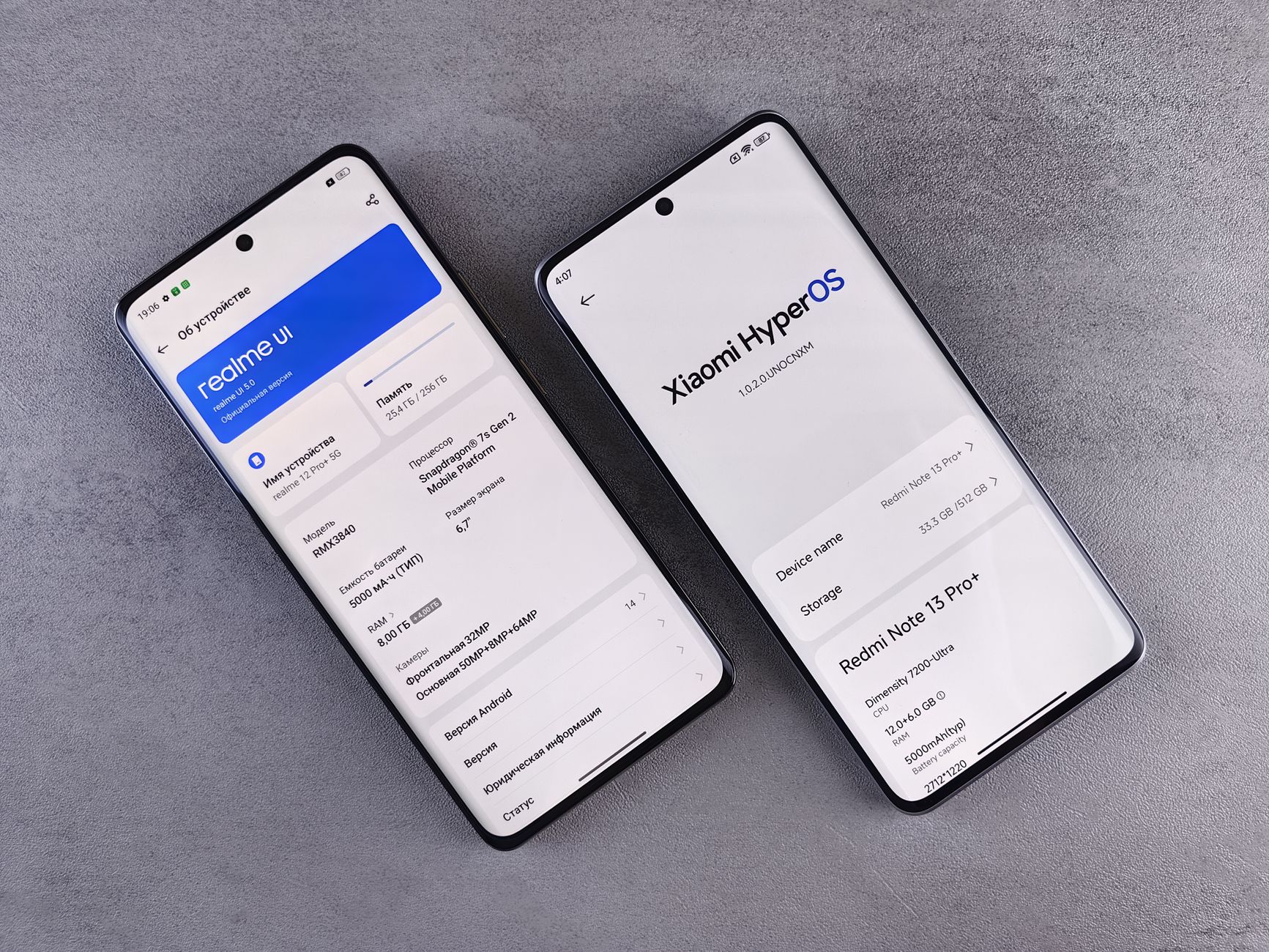

memory use alternatives are crucial as tech firms trim their resources amid a price surge. Companies are exploring new methods to maintain efficiency while managing costs.
Understanding the Current Memory Market
The current memory market is undergoing significant changes as tech firms adapt to rising costs and supply chain challenges. With prices for memory chips surging, companies are increasingly exploring memory use alternatives that can help them maintain performance while reducing expenses.
Several factors are influencing the shift in the memory landscape:
- Supply Chain Disruptions: The ongoing global semiconductor shortage has led to a scarcity of memory products, forcing firms to rethink their procurement strategies.
- Increased Demand: As more devices require memory for advanced functionalities, the demand continues to outpace supply, driving prices higher.
- Technological Innovations: Emerging technologies, such as 3D NAND and MRAM, are paving the way for more efficient memory solutions that can replace traditional options.
- Environmental Considerations: Companies are also motivated by sustainability goals, leading them to seek out alternatives that are less resource-intensive.
In response to these challenges, tech firms are adopting a range of strategies, from optimizing existing memory usage to investing in research and development of new technologies. By embracing memory use alternatives, businesses hope to strike a balance between performance and cost, ensuring long-term viability in a competitive market.
Why Tech Firms Are Reducing Memory Use
In recent months, tech firms have been grappling with soaring memory prices, prompting many to explore memory use alternatives. As the demand for more powerful devices increases, companies are re-evaluating their memory requirements to balance performance and cost.
One key reason for reducing memory use is the significant impact of high memory prices on profit margins. As manufacturing costs rise, firms are forced to innovate and optimize their product designs. By using less memory or implementing different technologies, companies can maintain their competitive edge while managing expenses.
Additionally, advancements in software optimization techniques have allowed firms to streamline their applications, lessening the need for extensive memory resources. This shift not only reduces costs but also enhances the overall efficiency of devices.
Another factor driving the change is the growing emphasis on sustainability. Tech firms are increasingly aware of their environmental footprint, and reducing memory use can contribute to lower energy consumption and waste. By adopting alternatives, companies can align with eco-friendly practices that resonate with consumers.
As tech firms navigate these challenges, they are likely to continue seeking innovative memory use alternatives that not only address current market pressures but also pave the way for future technological advancements.
Exploring Alternative Memory Solutions
As tech firms face unprecedented price surges in memory components, many are actively exploring alternative memory solutions to optimize their operations and reduce costs. These alternatives not only aim to address the financial pressures but also enhance performance and efficiency in various applications.
One promising approach involves utilizing non-volatile memory technologies. These memory use alternatives, such as 3D NAND and MRAM, offer faster access speeds and greater endurance compared to traditional memory types. As a result, they can significantly improve data processing and storage capabilities, making them attractive options for tech companies.
Additionally, firms are investigating the potential of edge computing to reduce reliance on centralized memory storage. By processing data closer to where it is generated, companies can minimize latency and optimize memory use, ultimately leading to cost savings and better performance.
Furthermore, memory compression techniques have gained traction as a means to maximize efficiency. By compressing data before it is stored, tech firms can decrease the amount of physical memory required, allowing for more effective resource allocation.
In summary, the exploration of various memory use alternatives is becoming essential for tech firms seeking to navigate the challenges posed by rising memory prices while maintaining competitive edge and operational efficiency.
Impact of Price Surge on Tech Industry
The recent surge in memory prices has significantly impacted the tech industry, prompting firms to reassess their strategies and operations. As costs continue to rise, companies are increasingly prioritizing efficient memory use alternatives to maintain profitability and competitiveness.
Many tech firms have adopted various strategies to mitigate the effects of this price increase. Some of these strategies include:
- Investing in Research and Development: Companies are channeling resources into innovative memory technologies that can deliver better performance at lower costs.
- Utilizing Cloud Solutions: By leveraging cloud storage, firms can optimize their memory usage, allowing for more scalable and flexible storage options without the need for extensive physical memory investments.
- Implementing Data Compression Techniques: Reducing the size of data stored can minimize the need for high-capacity memory, making existing resources more efficient.
- Partnerships with Memory Manufacturers: Collaborating closely with suppliers can lead to better pricing agreements and access to cutting-edge memory solutions.
These strategies not only help mitigate the impact of rising memory costs but also encourage tech firms to explore innovative paths in memory use alternatives. As the industry adapts, the focus on efficiency will likely guide future developments in technology.
Best Practices for Efficient Memory Management
As tech firms face increasing pressures from rising memory costs, implementing best practices for efficient memory management becomes crucial. By adopting proven strategies, organizations can minimize their memory use while enhancing overall performance. Below are key practices to consider:
- Optimize Data Structures: Choosing the right data structure can significantly reduce memory overhead. Employing compact data types and leveraging associative arrays can help in efficient memory utilization.
- Implement Memory Pooling: Memory pooling allows for the reuse of memory allocations instead of frequent allocations and deallocations, which can lead to fragmentation and increased memory use.
- Regularly Monitor Memory Usage: Utilizing profiling tools to track memory consumption can help identify leaks and inefficiencies, allowing firms to make informed decisions about resource allocation.
- Use Garbage Collection Wisely: Implementing proper garbage collection techniques can help in reclaiming memory that is no longer in use, thereby reducing the overall memory footprint of applications.
- Prioritize Lazy Loading: This approach loads resources only when they are needed, which can drastically decrease initial memory consumption and improve application responsiveness.
By focusing on these best practices, tech firms can successfully navigate the challenges posed by rising prices and create effective memory use alternatives that support long-term sustainability.
Future Trends in Laptop Memory Technology
The future of laptop memory technology is evolving rapidly as tech firms seek innovative solutions to enhance performance while minimizing costs. As highlighted in recent discussions about memory use alternatives, several emerging trends are shaping this landscape.
- Advancements in Flash Memory: Companies are investing in next-generation flash memory technologies, which promise faster speeds and lower power consumption. These advancements allow for more efficient data handling, crucial for modern applications.
- Increased Adoption of Hybrid Memory Systems: Utilizing a combination of traditional DRAM and newer memory types, such as 3D NAND, firms are exploring hybrid systems that optimize both speed and storage capacity.
- Focus on Memory Chip Integration: With the trend toward system-on-chip (SoC) designs, integrating memory directly into processors is becoming common. This approach can significantly reduce latency and improve overall system performance.
- Research into New Memory Technologies: Innovations like resistive RAM (ReRAM) and phase-change memory (PCM) are gaining traction, offering promising alternatives that could redefine how data is stored and accessed.
As tech firms navigate the challenges presented by rising prices and the need for efficient memory use, these trends will play a pivotal role in shaping the future of laptop memory technology.
As tech firms increasingly seek efficiency, exploring memory use alternatives can lead to significant improvements in performance and cost-effectiveness. Implementing these memory use alternatives not only enhances system capabilities but also fosters innovation in software development.
Photo by Matheus Bertelli on Pexels
References
Is the Realme 16 Pro Harry Potter Edition Worth It? · AI-Powered Bharat Service Desk: Proven Solutions for India · AMD AM4 Lifeline: Is It the Best Move Amid DDR5 Prices?