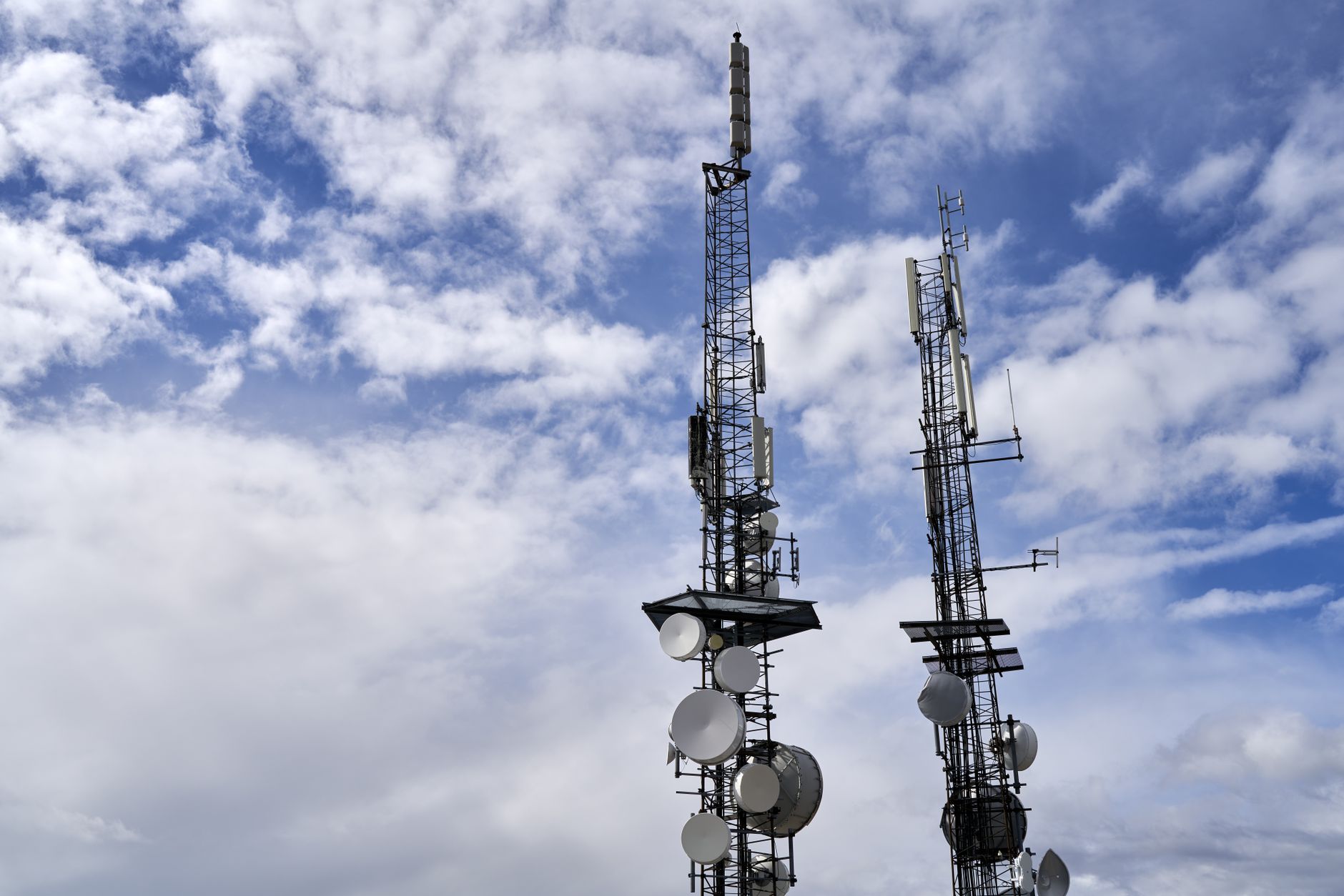
Nuri rocket satellites have made headlines with their successful deployment of 15 satellites. This achievement marks a significant milestone in South Korea’s space exploration efforts.
Overview of the Nuri Rocket
The Nuri rocket has made headlines recently with its successful deployment of 15 satellites into orbit. This achievement marks a significant milestone for the South Korean space program, showcasing the capabilities of the Nuri rocket and its reliability in launching payloads.
Developed by the Korea Aerospace Research Institute (KARI), the Nuri rocket is designed to carry small to medium-sized satellites into low Earth orbit. The launch vehicle stands out due to its innovative engineering and robust design, which allows it to handle various missions with precision.
Key features of the Nuri rocket include:
- Two-stage launch system: Enhances payload capacity and efficiency.
- Advanced propulsion technology: Ensures optimal performance during launch.
- Modular design: Adaptable for different types of satellite missions.
This recent launch not only affirms the effectiveness of the Nuri rocket satellites but also positions South Korea as a competitive player in the global aerospace industry. As the country continues to invest in space exploration, the Nuri rocket will play a pivotal role in future missions.
Significance of Satellite Deployment
The recent success of the Nuri rocket in deploying 15 satellites marks a significant milestone in space technology and innovation. The deployment of these satellites not only demonstrates the reliability of the Nuri rocket but also showcases the growing capabilities of the nation in the aerospace sector.
The significance of this achievement can be observed in several key areas:
- Technological Advancement: The successful launch highlights advancements in satellite technology, emphasizing the ability to produce and deploy multiple units efficiently.
- Economic Growth: Increased satellite deployment can lead to economic opportunities, including advancements in telecommunications, weather monitoring, and global positioning systems.
- National Security: Enhanced satellite capabilities contribute to national security by improving surveillance, reconnaissance, and communication systems.
- International Collaboration: The successful deployment of the Nuri rocket satellites opens doors for potential collaborations with other countries and organizations in space exploration and research.
In summary, the Nuri rocket satellites play a crucial role in establishing a robust presence in the aerospace arena, paving the way for future missions and innovations in satellite technology.
Technological Innovations Behind Nuri
The Nuri rocket has emerged as a beacon of technological innovation, particularly in its recent success in deploying 15 satellites into orbit. This achievement marks a significant milestone in the realm of aerospace technology, showcasing advancements that enhance efficiency and reliability.
One of the key innovations behind the Nuri rocket is its advanced propulsion system. This system utilizes a combination of liquid oxygen and kerosene, which not only improves thrust but also ensures a cleaner burn, minimizing environmental impact. Additionally, the rocket incorporates a state-of-the-art guidance and control system, enabling precise navigation during launch and orbit insertion.
Furthermore, the Nuri rocket is equipped with modular components that streamline the manufacturing process. This modularity allows for quick adjustments and enhancements, adapting to various satellite payloads. The integration of smart telemetry systems also plays a crucial role, providing real-time data to engineers during the mission.
- Advanced propulsion system for improved efficiency
- State-of-the-art guidance and control for precise navigation
- Modular components for enhanced adaptability
- Smart telemetry systems for real-time monitoring
These innovations collectively contribute to the proven success of the Nuri rocket satellites.
Future Missions Planned for Nuri
The success of the Nuri rocket in deploying 15 satellites has paved the way for future missions that promise to expand its capabilities and applications. As the team continues to analyze the data gathered from the recent launch, plans are already underway for subsequent missions that will further harness the potential of the Nuri rocket.
Future missions will focus on:
- Increased Payload Capacity: Enhancements are being explored to allow the Nuri rocket to carry more satellites on each launch, potentially increasing the total number of satellites deployed in a single mission.
- International Collaborations: The Nuri rocket aims to partner with other countries, allowing for a broader range of satellite types and applications, from Earth observation to communication technologies.
- Advanced Technologies: Future missions will incorporate new technological innovations, ensuring that the Nuri rocket remains competitive in a rapidly evolving space landscape.
With these ambitious plans, the Nuri rocket is set to become a key player in global satellite deployment, reinforcing its reputation as a reliable launch vehicle for various space missions.
International Reactions to the Launch
The successful deployment of 15 satellites by the Nuri rocket has garnered significant international attention and praise from various space agencies and experts around the world.
Many view this achievement as a milestone for South Korea’s burgeoning space program. The launch, which took place from the Naro Space Center, has been described as a testament to the country’s growing capabilities in aerospace technology.
Notable reactions include:
- NASA: Officials congratulated South Korea on its success, highlighting the importance of international collaboration in space exploration.
- European Space Agency (ESA): ESA representatives expressed enthusiasm about potential joint projects, emphasizing the significance of the Nuri rocket in expanding the global satellite deployment landscape.
- Japanese Aerospace Exploration Agency (JAXA): JAXA recognized the technical advancements demonstrated during the launch and signaled interest in future partnerships.
Experts believe that the Nuri rocket’s proven success in deploying 15 units will enhance South Korea’s position in the global space market, attracting further investments and collaborations.
Challenges Faced During Deployment
The deployment of the Nuri rocket satellites was not without its challenges. While the mission ultimately proved successful, engineers and mission planners faced several hurdles throughout the process.
One of the primary challenges was ensuring the precise timing of satellite deployment. Each satellite had to be released at specific intervals to maintain their intended orbits. This required meticulous calculations and real-time adjustments to the rocket’s trajectory.
Additionally, the Nuri rocket encountered unexpected weather conditions that complicated launch preparations. Strong winds and variable temperatures posed risks not only to the rocket’s stability but also to the deployment sequence of the satellites. As a result, mission teams had to adapt their strategies to ensure safety and success.
Furthermore, communication with ground control was critical. There were moments when signals were interrupted, leading to concerns about the rocket’s systems and satellite functionality. The team worked diligently to restore communication and monitor the health of the Nuri rocket satellites during the deployment phase.
Despite these challenges, the successful deployment of all 15 satellites showcases the resilience and expertise of the teams involved in the Nuri mission.
Conclusion: Impacts on Space Exploration
The successful deployment of 15 satellites by the Nuri rocket marks a significant milestone in the realm of space exploration. This achievement not only demonstrates the reliability of the Nuri rocket, but also showcases South Korea’s growing capabilities in space technology.
The implications of this success extend far beyond national pride; it represents a pivotal moment for emerging space agencies worldwide. As countries invest in their own satellite programs, the Nuri rocket’s proven track record may inspire further advancements in satellite technology and launch systems globally.
Moreover, the ability to deploy multiple satellites in a single mission enhances efficiency and reduces costs, making space more accessible to various sectors, including telecommunications, weather forecasting, and environmental monitoring. The Nuri rocket satellites could lead to improved data collection and communication services, ultimately benefiting both governmental and private enterprises.
In conclusion, the Nuri rocket’s successful mission serves as a beacon of progress in space exploration, paving the way for future innovations and collaborative efforts in the global arena. As nations strive to establish their presence in space, the impacts of the Nuri rocket will undoubtedly resonate for years to come.
The success of the Nuri rocket satellites has paved the way for more ambitious space missions. With the proven success in deploying 15 units, Nuri rocket satellites are set to enhance global satellite communication.
Read the original
Related stories
Amazon Great Indian Festival: Best Deals on Appliances Revealed · OriginOS 7 features: What’s the best new addition? · AI adoption practices: The Right Way to Ensure Ethical Data Use