The indie game community is currently facing significant turmoil over AI and Big Walk, raising concerns about the future of independent gaming.
Understanding the Indie Game Community
The indie game community has long been celebrated for its creativity, innovation, and ability to push the boundaries of traditional gaming. However, recent developments surrounding artificial intelligence (AI) have sparked significant debate and concern among its members. As technology advances, the line between creation and replication blurs, leading many to question the implications of AI on original game design.
One of the primary issues at the heart of this debate is the rise of AI-generated content, which some believe undermines the hard work of independent developers. The fear is that AI can produce games or assets at a fraction of the cost and time, which could potentially flood the market with low-quality products, diluting the unique voices that define the indie scene.
Moreover, the introduction of tools that automate aspects of game development raises ethical questions about authorship and creativity. Many in the indie game community are concerned that reliance on AI could stifle innovation, as developers may opt for easier, AI-assisted solutions instead of crafting their own distinct narratives and gameplay experiences.
As discussions continue, the indie game community finds itself at a crossroads, grappling with the impact of AI on its future. The outcome of this ongoing conversation will likely shape the landscape of independent game development for years to come.
The Role of AI in Gaming
The integration of artificial intelligence (AI) into the gaming industry has sparked significant debate, especially within the indie game community. Developers are grappling with the implications of AI as it increasingly influences game design, storytelling, and player experiences. While some view AI as a tool for innovation, others fear it could undermine the creativity that defines indie games.
AI technologies can streamline various aspects of game development, allowing developers to produce high-quality content in less time. However, this efficiency comes at a cost. Many indie developers worry that reliance on AI could lead to homogenized experiences, diluting the unique charm and individuality that indie games are known for. In this context, the indie game community faces a critical crossroads.
As discussions intensify, various perspectives emerge regarding the role of AI:
- Proponents argue that AI can enhance gameplay by providing personalized experiences tailored to individual players.
- Critics contend that over-reliance on AI could stifle creativity and limit the diverse storytelling that indie games often showcase.
- Some developers advocate for a balanced approach, integrating AI while preserving the artistic integrity of their projects.
The ongoing debate highlights the tension between embracing technological advancements and maintaining the core values that define the indie game community.
Big Walk’s Influence on Indie Developers
The recent emergence of Big Walk, a groundbreaking AI tool designed for game development, has stirred considerable debate within the indie game community. While some developers hail its potential to revolutionize game design, others argue that it undermines the core values of creativity and originality that indie games represent.
Big Walk’s influence is evident in several ways:
- Increased Accessibility: The tool allows aspiring developers to create games with minimal technical skills, potentially flooding the market with low-effort projects.
- Quality Concerns: Critics worry that the reliance on AI-generated content may lead to a decline in the quality and uniqueness of indie games, which are often celebrated for their innovative ideas.
- Community Division: The introduction of AI tools like Big Walk has created a rift within the indie game community, with some embracing the technology while others fear it will erase the distinctiveness of indie titles.
As the debate continues, many indie developers find themselves at a crossroads. They must navigate the implications of incorporating AI into their creative processes while staying true to the essence of what makes indie gaming special. The future of the indie game community may very well hinge on how these discussions evolve in the coming months.
Community Reactions to AI
The indie game community has been vocal in its reactions to the growing influence of AI technologies in game development. Many developers express concerns about the potential for AI to undermine creativity and authenticity, which are central to the indie ethos. In an online forum discussion, a prominent developer stated, “AI can generate content, but it lacks the soul that indie games bring to the table.” This sentiment resonates with many who fear that the unique narratives and artistic expression found in indie games could be diluted.
Critics within the community argue that reliance on AI tools may lead to a homogenization of game design, where originality is sacrificed for efficiency. They warn that if developers prioritize AI-driven solutions, the distinctive charm that defines indie games could be lost. Some members have even taken to social media to voice their frustrations, using hashtags like #SaveIndieGames to rally support.
On the other hand, a faction of the indie game community sees AI as a valuable resource that can enhance the creative process. They argue that when used thoughtfully, AI can assist in mundane tasks, allowing developers to focus more on innovative storytelling and gameplay mechanics. The debate continues to intensify, highlighting a divide that reflects broader concerns about technology’s role in art and creativity.
Future Prospects for Indie Games
The future of the indie game community appears both promising and precarious as developers navigate the evolving landscape shaped by artificial intelligence. While some creators embrace AI as a tool for innovation, others express concern about its implications for creativity and authenticity.
Many indie developers are leveraging AI to enhance their games, utilizing machine learning for everything from procedural content generation to player behavior analysis. This technological integration has the potential to streamline development processes and introduce novel gameplay experiences.
However, there remains a palpable fear that over-reliance on AI could dilute the unique charm that indie games typically offer. The heart of the indie game community lies in its diversity and the personal touch of its creators, which may be compromised if AI becomes the dominant force in game design.
As the community grapples with this paradigm shift, several key trends are emerging:
- Collaboration between artists and AI: Developers are finding ways to work alongside AI while maintaining their artistic integrity.
- Community-driven initiatives: Many indie developers are forming alliances to advocate for ethical AI use in game design.
- Focus on player experience: The importance of player feedback is being emphasized to ensure that games resonate with audiences.
Ultimately, the indie game community’s adaptability may define its future, balancing innovation with the values that have long characterized the scene.
Navigating Changes in Gaming
The ongoing debate surrounding the impact of artificial intelligence on the indie game community has sparked a significant shift in how developers and players interact. As AI tools become increasingly integrated into game development, they present both opportunities and challenges that must be navigated carefully.
Many indie developers have embraced AI to enhance their creative processes, utilizing it for tasks such as:
- Game design: AI can assist in generating unique game mechanics and narratives.
- Art creation: Tools powered by AI help artists create stunning visuals more efficiently.
- Testing and optimization: AI can streamline the testing process, identifying bugs and improving gameplay.
However, the benefits come with concerns. Some community members feel that AI could undermine the essence of indie gaming, which is rooted in personal expression and originality. The fear is that as AI-generated content becomes more prevalent, it may dilute the unique voices that define the indie game community.
As developers weigh the pros and cons of AI integration, the future of indie games hangs in the balance. The community must find a way to embrace innovation while preserving the authenticity that has made indie gaming a beloved and vital part of the larger gaming landscape.
Conclusion: What Lies Ahead
As the discussions around AI’s impact on the indie game community evolve, one thing is clear: the landscape is shifting. Developers and players alike are grappling with the implications of AI technologies in their beloved creative space. While some view AI as a tool that can enhance gameplay and streamline development, others fear it could undermine the unique artistry that defines indie games.
The future of the indie game community will likely hinge on how developers choose to adapt to these technological advancements. Many indie creators are already exploring innovative ways to incorporate AI without sacrificing their creative vision. This balance between embracing new technology and maintaining artistic integrity will be crucial.
Additionally, community engagement will play a pivotal role in shaping the path forward. It’s essential for developers to listen to player feedback and concerns regarding AI. This dialogue can foster a more collaborative environment where both parties can work together to navigate the complexities introduced by AI.
In conclusion, the indie game community stands at a crossroads. The decisions made today will have lasting impacts on the industry. By approaching these changes thoughtfully and inclusively, there is potential for a vibrant future where AI complements rather than detracts from the unique charm and creativity that indie games are known for.
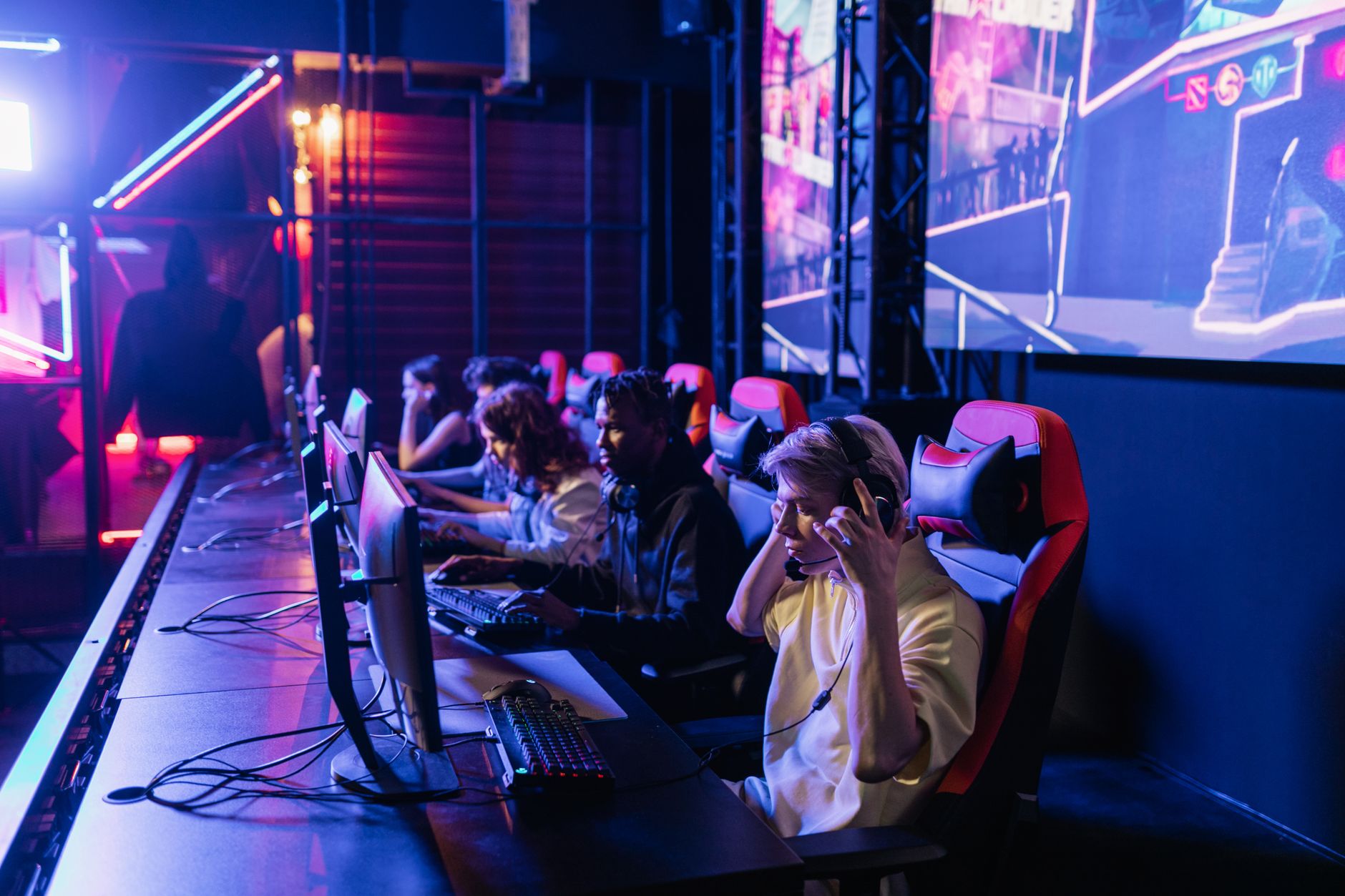
Photo by Alena Darmel on Pexels
References
Google Gemini Memory: Is It the Best Editing Tool Available? · BSNL Vodafone Idea Roaming Pact: Clear Benefits and Impact · WhatsApp event features: Easy planning with proven tools