
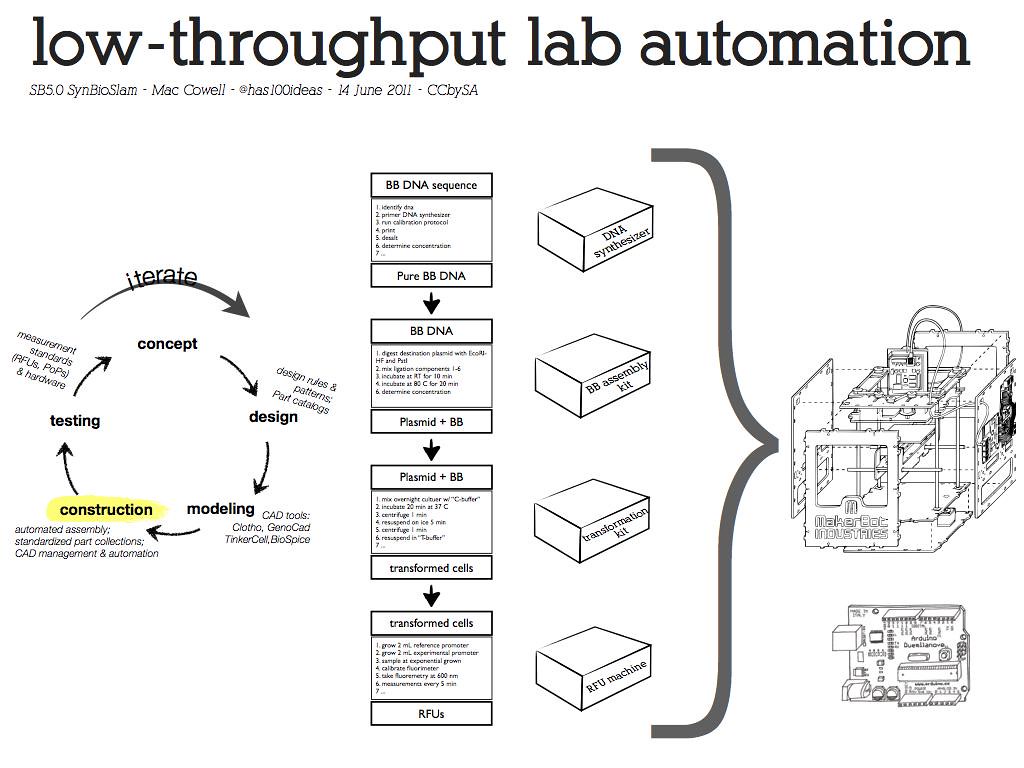
automated biology lab innovations are changing the way we sequence DNA and conduct research. AI agents are at the forefront of this transformation, enhancing efficiency and accuracy.
How AI Agents Enhance DNA Sequencing
In recent advancements, automated biology labs are increasingly utilizing smart AI agents to enhance DNA sequencing processes. These cutting-edge technologies significantly improve the efficiency and accuracy of genetic analysis, allowing researchers to focus on more complex tasks.
AI agents streamline various stages of DNA sequencing, from sample preparation to data analysis. Here are some key ways in which they contribute:
- Automation of Routine Tasks: AI systems can manage repetitive tasks, reducing human error and freeing up scientists to engage in critical thinking and interpretation of results.
- Real-Time Data Processing: With their ability to analyze large datasets quickly, AI agents provide immediate insights, enabling faster decision-making in research projects.
- Enhanced Accuracy: By employing machine learning algorithms, these agents can identify patterns and anomalies in sequencing data that might be overlooked by traditional methods.
- Cost Efficiency: Automating labor-intensive processes helps reduce operational costs, making DNA sequencing more accessible for various research institutions.
Overall, the integration of AI agents in automated biology labs is revolutionizing the field of DNA sequencing, paving the way for groundbreaking discoveries.
The Benefits of Automation in Biology
The integration of automation in biology has significantly transformed research and laboratory practices. Automated biology labs are at the forefront of this change, utilizing smart AI agents to streamline various processes, including DNA sequencing. The benefits of such automation are numerous and impactful.
- Increased Efficiency: Automated systems operate continuously, reducing the time taken for experiments and allowing researchers to focus on analysis and interpretation.
- Enhanced Precision: AI agents minimize human error, ensuring that DNA sequences are processed with high accuracy and reliability.
- Cost-Effectiveness: Automation decreases labor costs and resource wastage, leading to more affordable research outcomes.
- Scalability: Automated biology labs can handle larger volumes of samples, accommodating high-throughput sequencing without compromising quality.
- Data Management: Advanced algorithms enable better data collection and analysis, facilitating insights that were previously difficult to obtain.
Overall, the adoption of automated biology labs empowers scientists to conduct more innovative research, pushing the boundaries of what is possible in the field of genetics and beyond.
New Technologies in Automated Labs
Recent advancements in technology have significantly transformed the landscape of research, particularly in the field of biology. Automated biology labs are now equipped with cutting-edge tools that enable more efficient and accurate scientific analysis. These technologies include:
- High-Throughput Sequencing: This method allows for the rapid sequencing of DNA, enabling researchers to process large volumes of genetic data effortlessly.
- Robotic Liquid Handling Systems: These automated systems minimize human error and enhance precision during sample preparation.
- Machine Learning Algorithms: By analyzing complex biological datasets, these algorithms can identify patterns and make predictions that aid in research.
- Smart AI Agents: Employed in automated biology labs, these agents facilitate real-time decision-making and optimize workflows.
The integration of these technologies not only accelerates the pace of research but also significantly reduces costs. As automated biology labs become more widespread, the potential for groundbreaking discoveries in genetics and molecular biology is greater than ever. The synergy between automation and biological research continues to pave the way for innovative solutions to complex biological challenges.
Challenges Facing Automated Biology Labs
The rise of automated biology labs has brought significant advancements, but several challenges persist that could hinder their full potential. One of the primary issues is data management. As these labs generate vast amounts of data, effective storage and analysis become critical. Handling this influx requires sophisticated algorithms and robust infrastructure to ensure data integrity and accessibility.
Another challenge is cost. The initial investment for setting up an automated biology lab can be substantial, which may deter smaller institutions from adopting these technologies. Additionally, ongoing maintenance and upgrades can strain budgets, especially in the face of rapidly evolving technology.
Integration with existing systems also poses difficulties. Many labs use legacy equipment that may not easily interface with new automated systems. Achieving seamless operation between old and new technologies is crucial for maximizing the benefits of an automated biology lab.
Lastly, there are concerns regarding training and expertise. As AI agents become more prevalent, ensuring that personnel are adequately trained to manage and interpret results is essential for success in this innovative field.
The emergence of the automated biology lab has significantly accelerated research timelines, allowing scientists to focus on analysis rather than manual processes. With smart AI agents driving efficiency, the automated biology lab is set to transform the future of DNA sequencing.
By macowell via Openverse
Read the original
Related stories
Ocarina of Time Switch update: The Best Patch Notes Revealed · Star Information Systems ShipManager: Proven Cloud Release Ahead · iPhone 18 Battery Rumors: Best Tips for Bigger Power Life