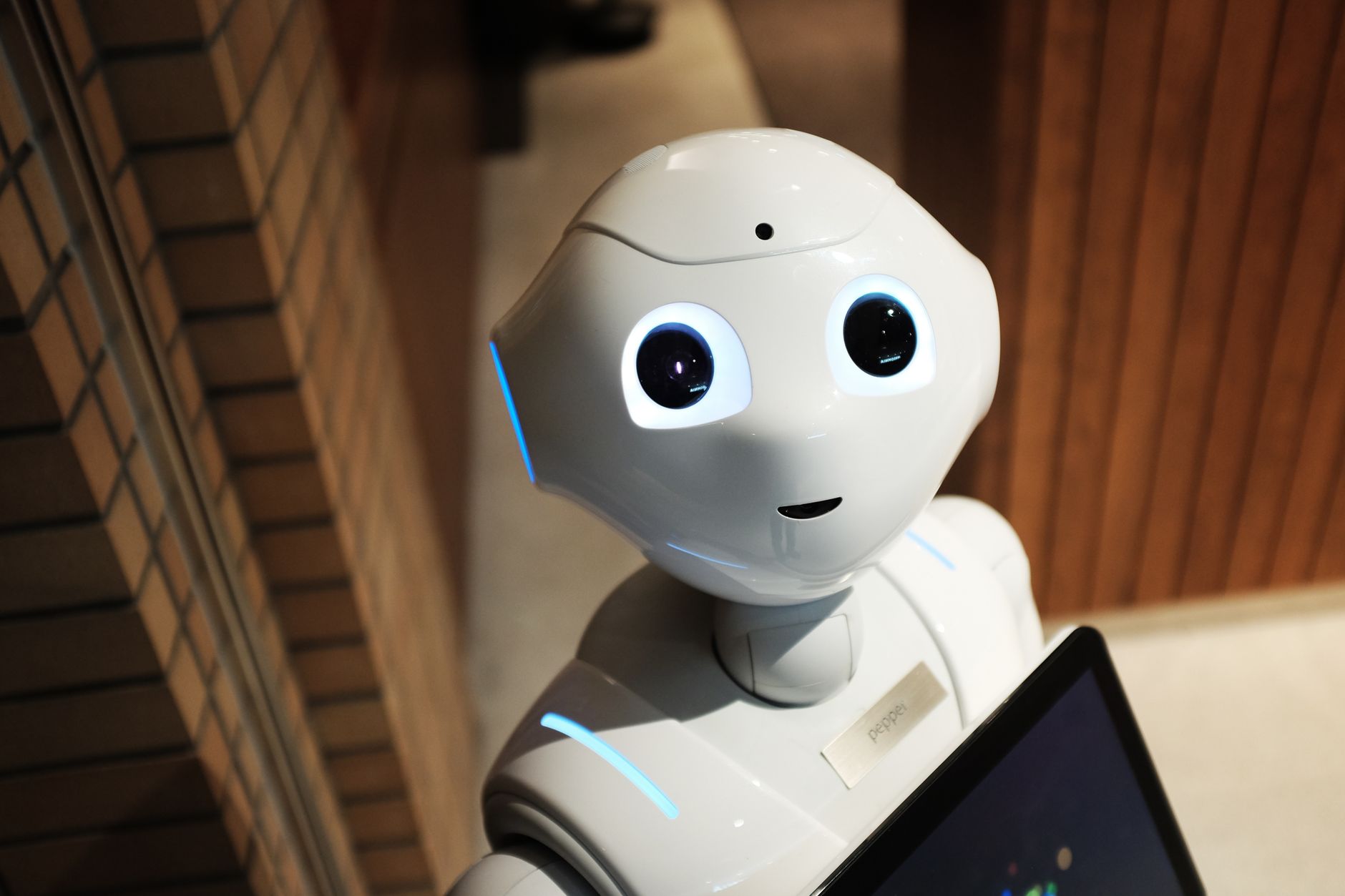
TPUs in space represent a groundbreaking achievement as Google successfully sends its Tensor Processing Units aboard a SpaceX rocket. This mission highlights the intersection of technology and exploration.
Introduction to Google’s TPUs
In a groundbreaking move, Google has successfully launched Tensor Processing Units (TPUs) into space aboard a SpaceX rocket, marking a significant milestone in the field of computational technology and its application in extreme environments. These specialized processors, designed for machine learning tasks, are expected to enhance data processing capabilities beyond Earth’s atmosphere.
The mission aims to explore the potential benefits of using TPUs in space, where traditional computing systems often struggle with the unique challenges posed by the environment. With their ability to perform complex calculations at high speeds, TPUs offer a promising solution for tasks such as data analysis, image processing, and real-time decision-making in spacecraft and satellites.
Key objectives of the mission include:
- Performance evaluation: Assessing the efficiency and reliability of TPUs in microgravity conditions.
- Data processing: Analyzing how the TPUs handle vast amounts of data generated by space missions.
- Potential applications: Identifying new opportunities for leveraging machine learning in space exploration.
This innovative endeavor not only showcases Google’s commitment to advancing technology but also highlights the ever-growing intersection of artificial intelligence and space exploration. As researchers analyze the results from this mission, the future of TPUs in space looks promising, paving the way for even more sophisticated applications in the cosmos.
The Role of SpaceX in the Mission
SpaceX has played a crucial role in the successful deployment of Google’s Tensor Processing Units (TPUs) in space. The collaboration between Google and SpaceX exemplifies the synergy between advanced technology and aerospace innovation. By utilizing SpaceX’s Falcon 9 rocket, Google was able to transport the TPUs safely beyond Earth’s atmosphere, marking a significant milestone in space-based computing.
The mission aimed to leverage the power of TPUs in space, exploring their potential to enhance machine learning applications in environments previously deemed unfeasible. The TPUs, designed for high-performance computing, are expected to perform complex calculations and process vast amounts of data in real-time, even in the challenging conditions of space.
Key aspects of SpaceX’s involvement include:
- Launch Expertise: SpaceX’s experience in launching payloads into orbit ensured the TPUs were delivered efficiently and safely.
- Innovative Technology: The use of reusable rocket technology significantly reduced costs, allowing for more frequent space missions.
- Collaboration: The partnership between Google and SpaceX showcases how private enterprises can work together to push the boundaries of technology.
As the mission progresses, the results will likely shed light on the benefits of utilizing TPUs in space, potentially revolutionizing how data is processed beyond our planet.
Technological Innovations in Space
As advancements in technology continue to reshape the landscape of space exploration, the introduction of TPUs (Tensor Processing Units) in space marks a significant leap forward. These specialized processors, designed by Google, are optimized for machine learning tasks, allowing for rapid data analysis and decision-making in the challenging environment of outer space.
The integration of TPUs in space missions offers numerous benefits:
- Enhanced Processing Power: TPUs can process vast amounts of data more efficiently than traditional CPUs, making them ideal for real-time analysis of data collected from various sensors and instruments.
- Optimized Machine Learning: With their ability to perform complex calculations quickly, TPUs enable advanced machine learning algorithms to be deployed directly in space, improving mission outcomes.
- Energy Efficiency: TPUs consume less power compared to other processing units, which is crucial for long-duration space missions where energy resources are limited.
- Real-Time Decision Making: The capability to analyze data on-site enhances the ability to make immediate decisions, essential for responding to unexpected challenges during missions.
By leveraging the power of TPUs in space, Google’s latest mission not only demonstrates technological innovation but also sets a precedent for future explorations. These advancements could lead to more autonomous spacecraft capable of conducting complex tasks without constant Earth-based support.
Benefits of TPUs for Space Research
The deployment of TPUs in space marks a significant advancement in space research, offering numerous benefits that can enhance various scientific missions. As Google’s latest venture demonstrates, these powerful processing units are poised to transform how data is analyzed in real-time beyond Earth.
One of the most notable benefits of TPUs in space research is their ability to handle vast amounts of data efficiently. With the increasing volume of information collected by satellites and space probes, traditional processing methods can be insufficient. TPUs enable faster data processing, allowing scientists to quickly interpret results and make informed decisions during missions.
Additionally, TPUs are designed to optimize machine learning algorithms, which can be applied to numerous space-related tasks. This capability can improve image recognition for planetary exploration, anomaly detection in spacecraft systems, and even assist in navigating spacecraft through complex environments.
Moreover, the energy efficiency of TPUs is crucial for space operations, where power resources are limited. By utilizing TPUs, missions can conserve energy while still achieving high levels of computational performance. This efficiency not only extends the operational life of space equipment but also reduces operational costs.
In conclusion, the integration of TPUs in space research signifies a leap forward, promising enhanced data processing capabilities, improved efficiency, and the potential for groundbreaking discoveries in our understanding of the universe.
Future of AI in Space Missions
The future of AI in space missions is being reshaped by the successful deployment of TPUs in space. As Google’s specialized Tensor Processing Units (TPUs) make their way into extraterrestrial environments, they promise to revolutionize how data is processed and analyzed beyond Earth.
With the growing complexity of space exploration, the need for advanced artificial intelligence systems has never been more critical. TPUs in space can provide significant processing power, allowing for real-time data analysis from satellites and other space-based instruments. This capability enhances decision-making processes, optimizes mission operations, and supports autonomous systems in harsh environments.
Moreover, the integration of TPUs opens up new avenues for scientific research. The ability to run sophisticated machine learning algorithms directly in space means that scientists can analyze vast amounts of data on-site, leading to quicker insights and discoveries. This efficiency could accelerate missions to Mars and beyond, where timely data interpretation is crucial for mission success.
As space agencies and private companies explore the potential of TPUs in space, there are several key areas where their impact will be felt:
- Improved Image Processing: Enhanced analysis of planetary surfaces and atmospheric data.
- Real-time Anomaly Detection: Immediate identification of issues in spacecraft systems.
- Advanced Robotics: Smarter robots capable of performing complex tasks autonomously.
In conclusion, the integration of TPUs in space is set to redefine the capabilities of future space missions, paving the way for more intelligent and responsive exploration of the cosmos.
Challenges Faced During Launch
The launch of Google’s Tensor Processing Units (TPUs) into space was not without its challenges. Despite the advanced technology and meticulous planning, several hurdles emerged during the preparation and execution phases of this ambitious mission.
One of the primary challenges was ensuring the TPUs could withstand the harsh conditions of space. Factors such as extreme temperatures, radiation exposure, and vacuum conditions posed significant threats to the integrity of the hardware. Engineers had to innovate solutions that would protect the TPUs in this uncharted environment.
Additionally, the complexity of coordinating with SpaceX added another layer of difficulty. Synchronizing launch schedules and securing the necessary permissions from regulatory bodies required extensive collaboration. The teams had to work seamlessly to address potential delays or issues that could arise, which demanded high levels of communication and adaptability.
Furthermore, the integration of AI with satellite technology presented its own set of challenges. Ensuring that the TPUs could efficiently process data in real-time while minimizing power consumption was crucial for the success of the mission. This required rigorous testing and optimization prior to launch.
In conclusion, while the TPUs in space mission faced numerous obstacles, the collaboration between Google and SpaceX demonstrated resilience and innovation, paving the way for future advancements in space research.
Conclusion and Future Prospects
As the mission to deploy TPUs in space comes to a successful conclusion, the implications of this technological advancement are vast and promising. The integration of Tensor Processing Units (TPUs) into space research opens new avenues for data processing, artificial intelligence, and machine learning in environments previously deemed too challenging for such technologies.
The immediate benefits observed from the deployment of TPUs include enhanced data analysis capabilities and improved efficiency in processing large datasets collected from various space missions. This leap forward not only accelerates research but also allows for real-time decision-making that can significantly impact mission outcomes.
Moreover, as we look to the future, the potential applications of TPUs in space exploration are limitless. Researchers envision utilizing this technology for tasks such as:
- Advanced imaging and monitoring of celestial bodies
- Autonomous navigation systems for spacecraft
- Enhanced simulations of cosmic events
However, challenges remain, including ensuring the durability of TPUs in harsh space conditions and optimizing their performance in low-gravity environments. As these challenges are addressed, the future of AI in space missions, powered by TPUs, appears incredibly promising. The collaboration between Google and SpaceX has not only proved the viability of this technology but has also set a precedent for future endeavors in the merging of artificial intelligence and space exploration.
By Lilian Audoin via Openverse
Read the original
Related stories
Expendabots demo launch: Is it the best gaming experience yet? · Facebook forum app: Best proven AI-powered groups · Google AI model: The Smart New Power of Gemini 4 Argon