
Introduction
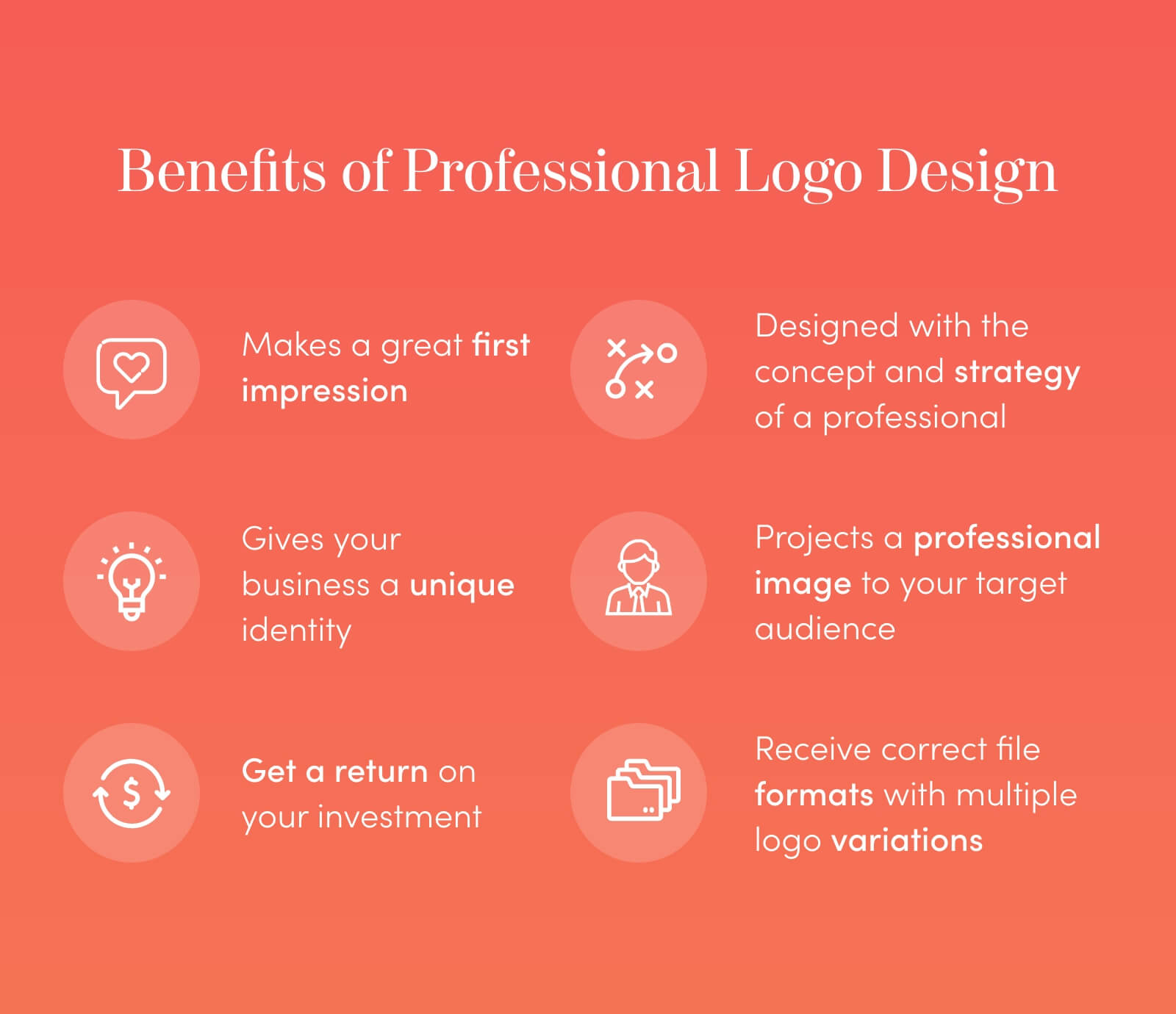
A logo is often one of the first visual elements people associate with a business. It can appear on a website, social media profile, packaging, signage, business cards, and advertising materials. Because of this, a professional logo should do more than look attractive. It should communicate something meaningful about the brand and remain recognizable across different platforms.
Understanding the essential elements of effective logo design can help businesses make better branding decisions.
Things to Consider During Logo Design
1. A Clear and Relevant Concept
A professional logo should have a clear concept that connects with the business. Its design should reflect the company’s personality, industry, audience, or values without becoming overly complicated.
For example, a technology company might benefit from a modern and streamlined visual identity, while a luxury brand may choose a more refined and sophisticated approach. The logo does not need to explain everything the business does. Instead, it should create an appropriate visual impression.
2. Simple and Memorable Design
Simplicity is one of the most important characteristics of effective logo design. A logo with too many details may become difficult to recognize, particularly when displayed at a small size.
A strong logo should be:
Easy to recognize:
People should be able to identify it quickly.
Easy to remember:
Distinctive shapes, typography, or symbols can improve memorability.
Visually balanced:
Elements should work together rather than competing for attention.
Appropriately detailed:
The design should contain enough personality without unnecessary complexity.
Simple does not mean boring. It means every element has a clear purpose.
3. Appropriate Typography
Typography can significantly influence how a logo feels. A font can make a brand appear traditional, modern, friendly, professional, playful, or luxurious. When selecting typography, designers should consider readability as well as personality.
Decorative fonts may look attractive but can become difficult to read when a logo is reduced in size. The typography should also complement any symbols or graphic elements used in the design.
4. A Thoughtful Color Palette
Color plays an important role in brand perception. Different colors can create different emotional associations, although these associations can vary across cultures and industries. A professional logo should use colors that support the brand’s personality and remain practical across different applications.
It is also useful to have a version that works in black and white. This ensures the logo remains functional when color printing or specific design conditions are not available.
5. A Distinctive Visual Element
Many effective logos contain a recognizable symbol, shape, or visual feature. This can help distinguish the brand from competitors. However, originality is essential. Simply copying popular design trends can make a business appear generic. A professional designer should aim to create a visual identity that is distinctive while remaining relevant to the brand.
6. Scalability and Versatility
A logo may need to appear on everything from a large outdoor sign to a small mobile screen. Professional logo design should therefore consider scalability from the beginning. A flexible logo system may include different versions for different sizes and applications.
Conclusion
A professional logo should combine clarity, simplicity, relevance, originality, appropriate typography, thoughtful color, versatility, and technical quality. It should represent the business effectively while remaining recognizable across different applications.
The strongest logo designs are not simply visually appealing. They provide a consistent and memorable foundation for a brand’s visual identity.