
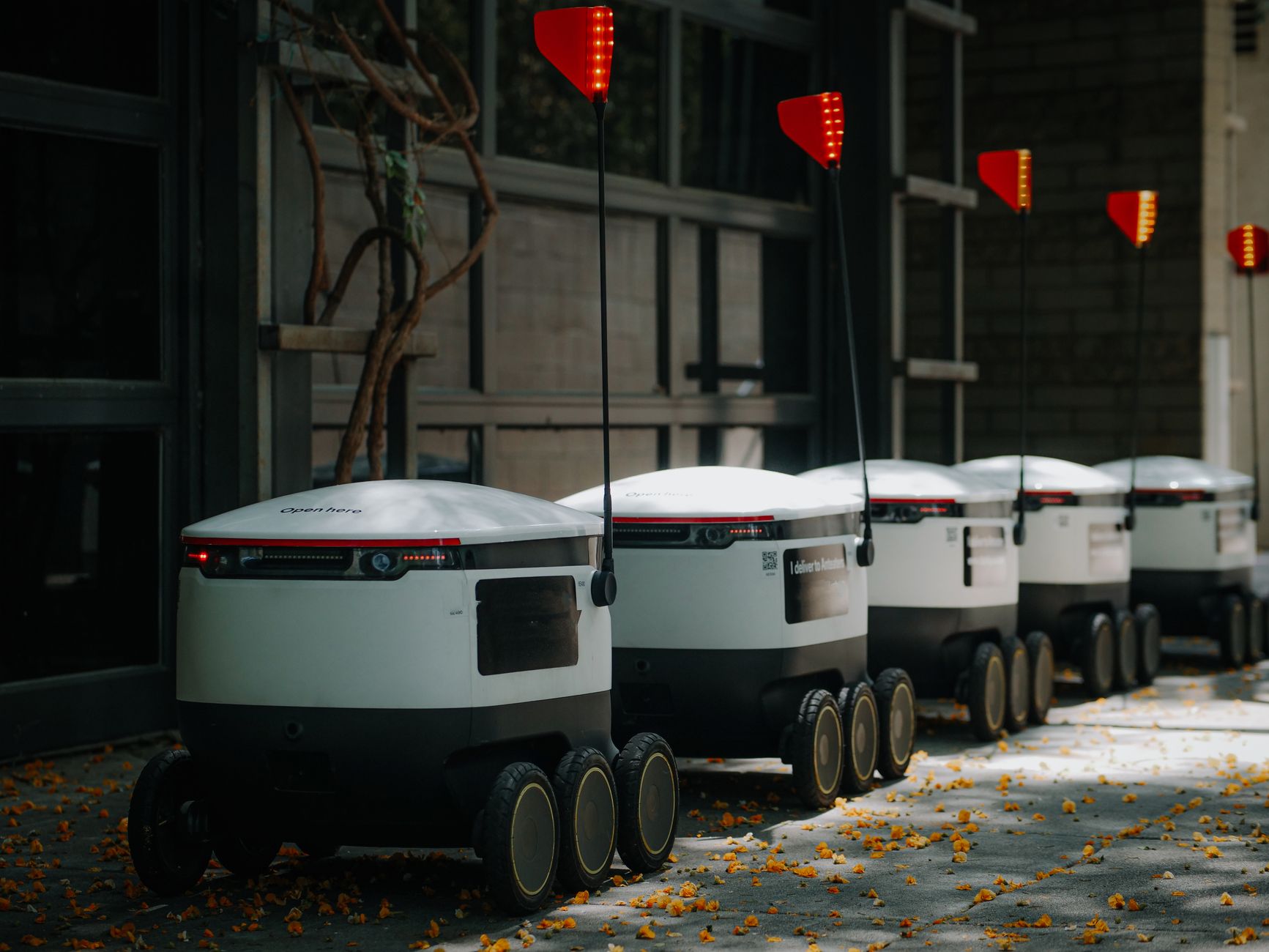
AI-powered robotics is gaining traction as China’s Hesai launches a spatial camera designed to enhance adoption and improve capabilities in the field.
What is AI-powered robotics?
AI-powered robotics refers to the integration of artificial intelligence technologies into robotic systems, enabling them to perform tasks with increased autonomy and efficiency. These advanced robots are capable of processing vast amounts of data, learning from their environments, and making real-time decisions.
The development of AI-powered robotics has the potential to revolutionize various industries, including manufacturing, healthcare, and logistics. By incorporating machine learning algorithms, robots can adapt to changing conditions and improve their performance over time.
Key features of AI-powered robotics include:
- Enhanced perception: Utilizing sensors and cameras to better understand their surroundings.
- Autonomous navigation: Allowing robots to move safely and efficiently in dynamic environments.
- Collaborative capabilities: Enabling robots to work alongside humans and other machines.
As companies like China’s Hesai introduce innovative technologies, the adoption of AI-powered robotics is expected to accelerate, driving further advancements in automation and productivity.
The role of Hesai in AI technology
Hesai, a leading technology company based in China, is making significant strides in the realm of AI-powered robotics. The recent launch of their advanced spatial camera is poised to enhance the capabilities of robotic systems across various industries. This innovative technology allows robots to better perceive and interact with their environments, facilitating more efficient and accurate operations.
By integrating AI algorithms with high-definition spatial imaging, Hesai’s camera enables robots to navigate complex spaces with ease. This is particularly beneficial in sectors such as manufacturing, logistics, and autonomous vehicles, where precision and real-time decision-making are critical.
The implications of Hesai’s advancements extend beyond mere technical improvements. They also help accelerate the adoption of AI-powered robotics among businesses looking to enhance productivity and reduce operational costs. As companies increasingly recognize the value of automation, Hesai’s contributions are likely to play a pivotal role in shaping the future of robotic applications.
- Enhanced navigation capabilities
- Improved interaction with the environment
- Accelerated adoption of robotics in various sectors
Benefits of spatial cameras in robotics
The integration of spatial cameras into robotics has unlocked numerous benefits, particularly in the realm of AI-powered robotics. These advanced imaging devices enhance the perception capabilities of robots, allowing them to navigate complex environments with greater accuracy.
One significant advantage is:
- Improved Depth Perception: Spatial cameras provide precise 3D information, enabling robots to better understand their surroundings and avoid obstacles efficiently.
- Enhanced Object Recognition: The high-resolution data from these cameras allows for more accurate identification of objects, which is crucial for tasks requiring precision.
- Real-Time Data Processing: AI-powered robotics benefit from the ability to process spatial data in real time, facilitating quicker decision-making and more responsive actions.
- Increased Safety: By equipping robots with spatial cameras, the risk of accidents in environments shared with humans is significantly reduced.
Overall, the deployment of spatial cameras is a game-changer for AI-powered robotics, paving the way for smarter, safer, and more efficient robotic systems.
How AI is reshaping industries
Artificial Intelligence is revolutionizing various industries by integrating AI-powered robotics into their operations. This transformation is evident across multiple sectors, enhancing efficiency and productivity. Companies are increasingly adopting these advanced technologies to streamline processes and reduce human error.
Among the key areas influenced by AI-powered robotics are:
- Manufacturing: Automated production lines utilize AI-driven robots for precision tasks, improving output quality.
- Healthcare: Robotics equipped with AI assist in surgeries and patient care, leading to better outcomes.
- Logistics: AI-powered drones and robots optimize supply chain management, facilitating faster deliveries.
- Retail: Robotics enhance customer service and inventory management, creating a seamless shopping experience.
As industries continue to embrace these innovations, the demand for AI-powered robotics will only grow. Companies must strategize effectively to harness the full potential of these technologies, ensuring they remain competitive in a rapidly evolving market.
Challenges in adopting AI-powered robotics
Despite the promising potential of AI-powered robotics, several challenges hinder widespread adoption across industries. First, the high initial investment required for advanced robotics systems can deter many companies, especially small and medium-sized enterprises. The costs associated with acquiring cutting-edge technology often lead to hesitance in committing to such significant expenditures.
Additionally, there is a notable skills gap in the workforce. Many employees may lack the necessary expertise to operate and maintain AI-powered robotics, creating a barrier to effective implementation. Training programs are essential, yet they can be time-consuming and costly.
Moreover, integrating AI technology with existing systems can be complex. Companies may face compatibility issues that require extensive modification of their infrastructure, leading to increased downtime and operational disruptions.
Lastly, concerns around data privacy and security pose significant challenges. As AI-powered robotics rely on vast amounts of data, ensuring that this information is protected is critical to gaining trust and fostering a smooth transition into AI-enhanced operations.
Future trends in robotics technology
The future of AI-powered robotics is poised for significant advancements as various technology trends emerge. Industry experts predict a remarkable integration of AI algorithms with robotic systems, leading to enhanced decision-making capabilities and operational efficiencies.
Key trends shaping this future include:
- Increased Collaboration: Robots will increasingly work alongside humans, leveraging AI for improved teamwork and productivity.
- Miniaturization: Advances in technology are allowing for smaller, more efficient robots that can operate in diverse environments.
- Enhanced Machine Learning: AI algorithms will continue to evolve, enabling robots to learn from their surroundings and adapt in real-time.
- Interconnectivity: The development of robust communication networks will allow robots to share information and collaborate more effectively.
As these trends unfold, AI-powered robotics will not only enhance existing industries but also pave the way for entirely new applications, transforming the way we interact with technology in our daily lives.
Case studies of successful AI integration
Numerous case studies illustrate the successful integration of AI-powered robotics across various sectors. In the manufacturing industry, a leading automotive company implemented AI-driven robots to enhance production efficiency. These robots, equipped with machine learning algorithms, optimized assembly line operations, resulting in a 30% reduction in downtime.
In healthcare, a hospital utilized AI-powered robotics for surgical procedures. The precision and reliability of these robots significantly decreased recovery times and improved patient outcomes, showcasing the transformative impact of AI in medical settings.
Another notable example is in agriculture, where a farming cooperative adopted AI-powered drones for crop monitoring. These drones analyze soil conditions and crop health, allowing farmers to make data-driven decisions that enhance yield and reduce resource wastage.
These case studies highlight that with the right strategies, organizations can effectively harness AI-powered robotics to improve productivity, quality, and efficiency across various industries. The benefits are evident, paving the way for broader adoption.
Conclusion: The path forward for robotics
In conclusion, the path forward for robotics is increasingly intertwined with advancements in AI-powered robotics. As industries recognize the transformative potential of these technologies, the adoption of AI-driven solutions is set to accelerate. Organizations must embrace a strategic approach that prioritizes not only the integration of AI but also the necessary training for their workforce.
Key strategies for successful adoption include:
- Investment in Training: Equipping employees with the skills to work alongside AI technologies is crucial.
- Pilot Programs: Implementing small-scale projects allows companies to evaluate the effectiveness and ROI of AI-powered robotics.
- Cross-Industry Collaboration: Sharing insights and resources among industries can enhance innovation and accelerate adoption.
- Continuous Monitoring: Assessing performance and making adjustments in real-time ensures optimal integration of AI solutions.
The future of robotics hinges on the ability to harness AI effectively, paving the way for unprecedented efficiencies and capabilities across various sectors.
Photo by Kindel Media on Pexels