
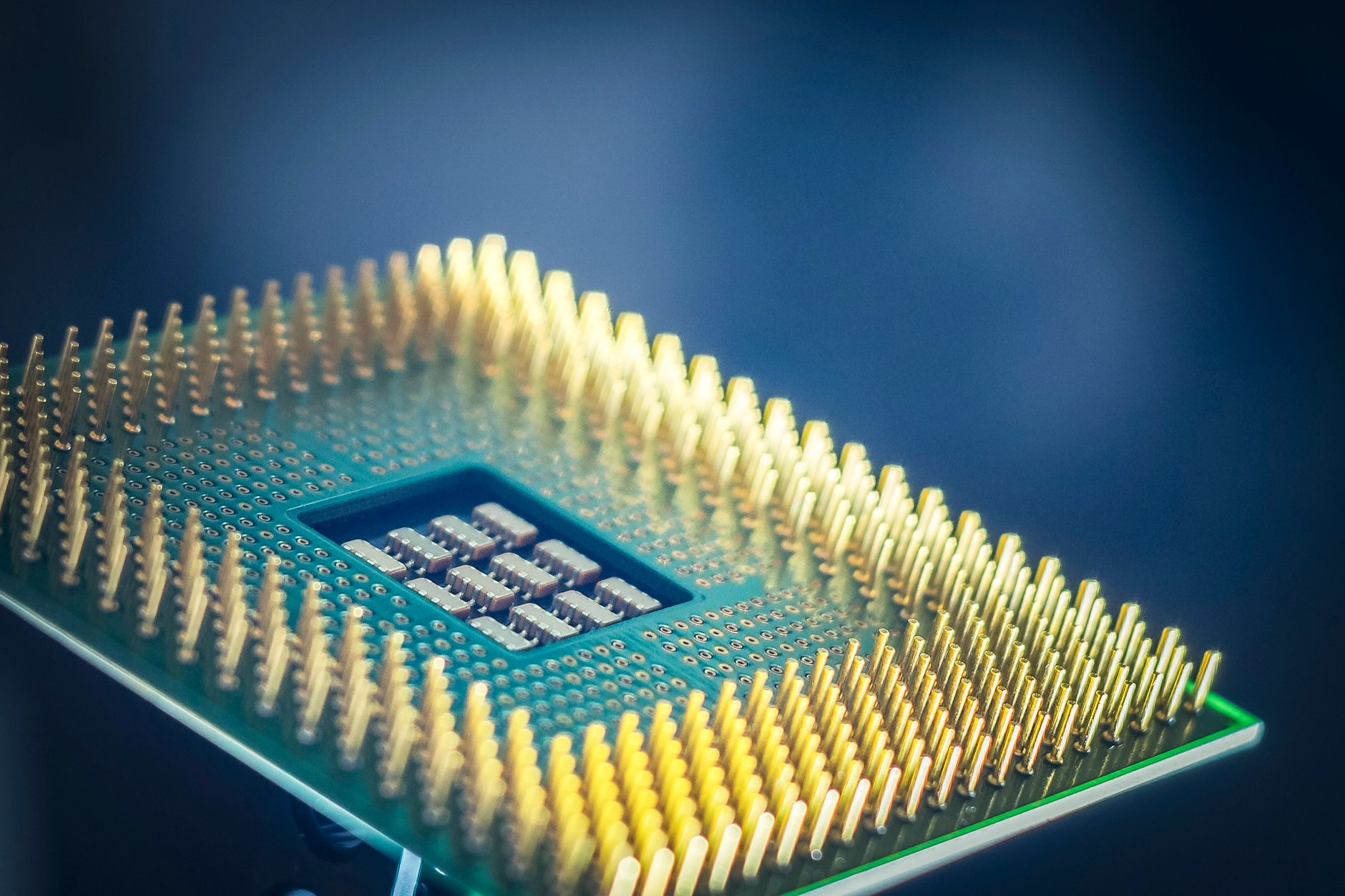
The AI processor industry report provides comprehensive insights into the latest trends and forecasts for 2026. This report from Jon Peddie Research is essential for anyone interested in the tech-laptops niche.
Overview of AI Processor Trends
The AI processor industry is experiencing rapid evolution, driven by technological advancements and increased demand for artificial intelligence applications. According to the latest AI processor industry report released by Jon Peddie Research for Q3 2026, several key trends are shaping the landscape.
One of the most significant trends is the growing dominance of specialized AI chips tailored for specific applications. These processors offer enhanced performance and efficiency compared to traditional CPUs and GPUs, making them essential for tasks such as machine learning and deep learning.
Additionally, the report highlights the following trends:
- Increased Investment: Companies are pouring resources into R&D for AI processors, aiming to gain a competitive edge.
- Edge Computing Growth: The shift towards edge computing is driving demand for AI processors that can operate efficiently in decentralized environments.
- Integration with 5G Technology: The synergy between AI processors and 5G networks is expected to unlock new possibilities for real-time data processing.
- Sustainability Focus: As the industry grows, there is a rising emphasis on creating energy-efficient processors to reduce environmental impact.
These insights from the AI processor industry report indicate a dynamic future, where innovation continues to reshape how processors are developed and utilized across various sectors.
Key Players in the AI Processor Market
The AI processor industry report highlights several key players shaping the market landscape as we head towards 2026. These companies are at the forefront of innovation, driving advancements in artificial intelligence technology.
- NVIDIA: Known for its powerful GPUs, NVIDIA continues to dominate the AI processor market with its cutting-edge architecture designed specifically for deep learning and machine learning applications.
- Intel: With its expansive portfolio, Intel is making significant strides in AI processors, focusing on integrating AI capabilities into its existing hardware solutions.
- Google: Through its Tensor Processing Units (TPUs), Google is revolutionizing AI workloads, making it a formidable player in the industry.
- AMD: AMD is rapidly increasing its presence in the AI processor space, offering competitive alternatives to NVIDIA with its Radeon GPUs tailored for AI tasks.
- Qualcomm: By leveraging its expertise in mobile processing, Qualcomm is developing AI-enabled chips aimed at enhancing performance across various devices.
These companies, among others, are not only competing but also collaborating to push the boundaries of what AI processors can achieve. As detailed in the AI processor industry report, the future looks promising with continued investment and innovation expected in the coming years.
Impact of AI on Laptop Technology
The impact of artificial intelligence on laptop technology is becoming increasingly significant, as highlighted in the latest AI processor industry report by Jon Peddie Research. This report outlines how advancements in AI processors are transforming the way laptops perform, enhancing both efficiency and user experience.
One of the most notable changes is the integration of AI capabilities that allow laptops to adapt to user preferences and optimize performance in real-time. This shift is driven by the need for more powerful processing units that can handle complex AI algorithms without compromising battery life. Key features emerging from this trend include:
- Enhanced Processing Power: AI processors are designed to execute tasks faster, making laptops more responsive to user commands.
- Improved Energy Efficiency: New architectures focus on reducing power consumption, prolonging battery life while maximizing performance.
- Advanced Machine Learning: Laptops can now learn from user behavior, providing personalized experiences that adapt over time.
As the AI processor industry report suggests, the future of laptop technology will be closely intertwined with AI advancements, paving the way for smarter devices that cater to the evolving needs of users. By 2026, we can expect laptops to become even more integral to our daily lives, driven by the capabilities of AI processors.
Forecast for AI Processor Growth
The latest AI processor industry report from Jon Peddie Research offers compelling insights into the anticipated growth of the AI processor market through 2026. As businesses increasingly integrate artificial intelligence into their operations, the demand for advanced AI processors is projected to rise significantly.
Experts predict that the global AI processor market will experience a compound annual growth rate (CAGR) of over 30% during the forecast period. This surge is attributed to several factors:
- Increased Adoption of AI Technologies: Companies across various industries are investing heavily in AI capabilities, driving the need for more powerful processors.
- Advancements in Machine Learning: As machine learning algorithms become more sophisticated, the requirements for processing power are escalating.
- Emerging Applications: Sectors such as healthcare, automotive, and finance are exploring new applications for AI, further boosting processor demand.
- Growing Edge Computing: The shift towards edge computing necessitates efficient AI processors that can handle data processing closer to the source.
According to the AI processor industry report, leading companies are expected to innovate rapidly, introducing cutting-edge products that could redefine market standards. The competitive landscape will become increasingly dynamic as firms strive to seize opportunities in this burgeoning sector.
Challenges Facing the AI Industry
The AI processor industry is currently navigating a series of challenges that could impact its growth trajectory. According to the latest findings in the AI processor industry report by Jon Peddie Research for Q3 2026, several key issues are emerging.
- Supply Chain Disruptions: Ongoing global supply chain issues continue to hinder the timely production of AI processors. Factors such as semiconductor shortages and logistical delays have caused significant interruptions.
- Technological Complexity: As AI applications become more sophisticated, the demand for cutting-edge technology grows. This complexity often leads to longer development cycles and increased costs for manufacturers.
- Regulatory Challenges: The rapidly evolving landscape of regulations surrounding AI technology presents hurdles for companies. Compliance with data privacy and ethical standards remains a pressing concern that needs addressing.
- Market Competition: The industry faces fierce competition from both established players and new entrants. This competitive pressure can hinder innovation and profitability for many businesses.
Despite these challenges, industry experts believe that strategic investments and collaboration can help mitigate some of these issues. With a proactive approach, stakeholders can navigate the complexities and position themselves for success in the evolving AI processor landscape.
Technological Innovations in AI
The AI processor industry is witnessing a wave of technological innovations that are transforming the landscape. As highlighted in the latest AI processor industry report, companies are increasingly focusing on enhancing processing capabilities while reducing energy consumption. This dual approach not only improves performance but also addresses environmental concerns.
One significant innovation is the development of specialized AI chips, which are designed specifically for machine learning tasks. These chips utilize advanced architectures that optimize data flow and accelerate computations, resulting in faster and more efficient processing. This has profound implications for various sectors, including healthcare, finance, and automotive.
Another notable trend is the integration of neural network processing units (NPUs) within traditional processors. By combining general-purpose and specialized processing, manufacturers are able to offer a versatile solution that caters to both AI workloads and standard computing tasks. This convergence of technologies ensures that businesses can leverage AI without needing separate infrastructure.
Moreover, the rise of edge computing is prompting innovations in AI processors. By enabling data processing closer to the source, companies can achieve lower latency and reduced bandwidth costs. This is particularly beneficial for applications such as autonomous vehicles and real-time analytics, which rely on instantaneous data processing.
In conclusion, the technological advancements outlined in the AI processor industry report signal a promising future for AI capabilities across various domains, setting the stage for unprecedented growth and innovation.
Consumer Demand for AI Processors
The recent AI processor industry report released by Jon Peddie Research highlights a significant shift in consumer demand for AI processors, emphasizing the growing interest in advanced computing solutions across various sectors. As technology continues to evolve, consumers are increasingly seeking devices that can leverage AI capabilities to enhance their daily activities.
Key factors driving this consumer demand include:
- Enhanced Performance: Users are looking for processors that can handle complex tasks efficiently, from gaming to professional-grade applications.
- AI Integration: The incorporation of AI into personal devices is becoming a priority, with consumers expecting seamless interactions and personalized experiences.
- Cost-Effectiveness: As AI technology becomes more accessible, consumers are more willing to invest in AI processors that deliver value for their money.
The report indicates a notable increase in the adoption of AI processors in consumer electronics, particularly in laptops and mobile devices. This trend is fueled by the increasing reliance on AI for productivity and entertainment purposes. Additionally, consumers are becoming more informed about the benefits of AI technology, prompting manufacturers to innovate and improve their offerings.
As we look towards 2026, the demand for AI processors is expected to grow further, shaping the future landscape of technology and consumer electronics.
Future of AI in Tech-Laptops
The future of artificial intelligence in technology, particularly in laptops, is poised for significant transformation as highlighted in the latest AI processor industry report by Jon Peddie Research. As AI capabilities continue to evolve, laptops are set to become more powerful and efficient, integrating advanced AI processors that enhance user experience.
Key trends that are expected to shape the future of AI in tech-laptops include:
- Increased Performance: AI processors are designed to handle complex tasks more efficiently, allowing laptops to perform heavy computations seamlessly.
- Improved Battery Life: Innovations in AI chip design will lead to energy-efficient processors, extending battery life and making laptops more portable.
- Enhanced User Interaction: Laptops will leverage AI to offer personalized experiences, adapting to user preferences and behavior.
- Smarter Security: AI processors will enhance security features, using machine learning to detect and prevent potential threats in real-time.
As reported in the AI processor industry report, the integration of AI technology in laptops not only boosts performance but also opens up new possibilities for applications across various sectors, including education, healthcare, and gaming. Looking ahead to 2026, the synergy between AI processors and laptop technology is expected to redefine the way consumers interact with their devices.
The AI processor industry report highlights the key trends and developments expected to shape the market in the coming years. As companies invest heavily in research and development, the AI processor industry report reveals significant advancements in performance and efficiency.
Photo by Jimmy Chan on Pexels
References
GTA 6 PC release: Is it Worth the Wait for Gamers? · Dell XPS 13 Review: Best Laptop with Proven Performance · 2TB MacBook Pro is the Best Deal of the Season