
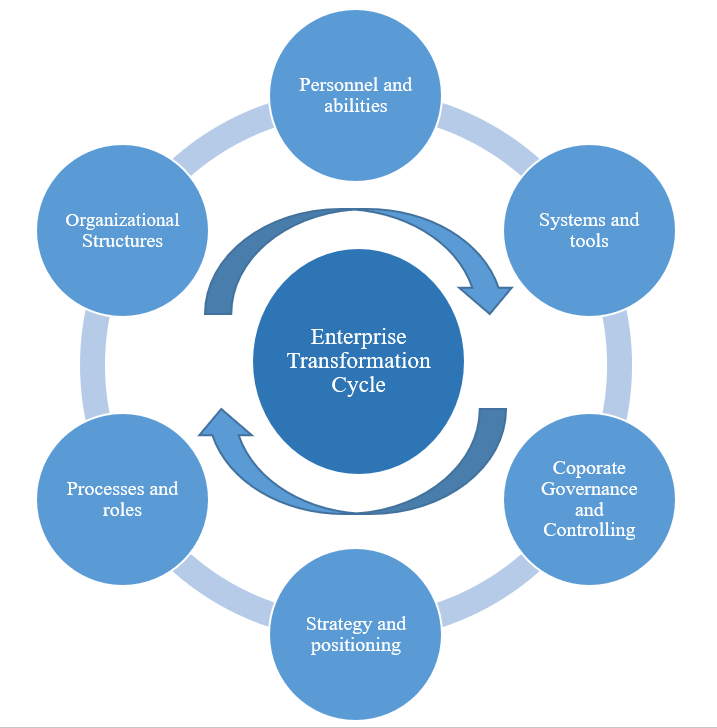
Enterprise transformation is becoming essential for businesses looking to thrive in today’s competitive landscape. This article explores the new phase of transformation and its significant impact on organizations.
Understanding Enterprise Transformation
Enterprise transformation refers to the strategic overhaul of a company’s processes, structures, and technologies to enhance its business impact and align with changing market demands. As organizations navigate an increasingly complex landscape, understanding this concept becomes vital for sustained growth.
Key elements of enterprise transformation include:
- Technology Adoption: Embracing new technologies is essential for driving efficiency and innovation.
- Organizational Culture: Shifting the company culture to embrace change and encourage collaboration is crucial for successful transformation.
- Customer-Centric Strategies: Focusing on customer needs ensures that businesses remain relevant and competitive.
- Agile Methodologies: Implementing agile practices allows for quicker responses to market shifts and customer feedback.
As enterprise transformation evolves, companies are moving beyond technology implementation to emphasize its broader impact on business outcomes. This shift requires a holistic approach that integrates various aspects of the organization, fostering a more agile and responsive business model. In this new phase, leaders must prioritize not just the tools and technologies, but also the people and processes that drive meaningful change.
The Role of Technology in Transformation
Technology plays a pivotal role in driving enterprise transformation, enabling organizations to adapt and thrive in an ever-evolving business landscape. As companies embrace digital solutions, the focus has shifted from merely adopting new technologies to realizing tangible business impact.
Innovative technologies such as artificial intelligence, cloud computing, and data analytics are at the forefront of this transformation. These tools empower businesses to streamline operations, enhance customer experiences, and make data-driven decisions. By leveraging these technologies, organizations can:
- Increase Efficiency: Automation of routine tasks allows employees to focus on strategic initiatives.
- Enhance Agility: Cloud solutions enable rapid scalability and adaptability to market changes.
- Improve Decision-Making: Advanced analytics provide insights that drive informed business strategies.
Moreover, the integration of technology into daily operations fosters a culture of innovation. Employees are encouraged to explore new ideas and approaches, leading to continuous improvement and growth. As companies embark on their enterprise transformation journeys, it is essential to prioritize technology not just as a tool, but as a catalyst for change that aligns with their overarching business objectives.
In summary, technology is not just an enabler of enterprise transformation; it is a critical component that shapes the future of business impact.
Key Drivers of Business Impact
As organizations navigate the complexities of today’s market, several key drivers are influencing the shift towards enterprise transformation, ultimately aiming for enhanced business impact. Understanding these drivers is essential for businesses looking to thrive in a competitive landscape.
- Customer-Centricity: Businesses are increasingly focusing on customer needs and preferences. By adopting a customer-centric approach, organizations can better align their products and services, leading to improved satisfaction and loyalty.
- Data-Driven Decision Making: The utilization of big data analytics allows companies to derive actionable insights. This data-driven mindset enables informed choices that can significantly enhance operational efficiency and strategic direction.
- Agility and Flexibility: With the rapid pace of change in technology and market demands, organizations must become more agile. Embracing flexibility allows businesses to adapt quickly to new challenges and opportunities, ensuring sustained growth.
- Collaborative Culture: Fostering a collaborative environment encourages innovation and teamwork. When employees work together towards common goals, the outcome often results in transformative ideas that drive business impact.
In summary, these key drivers of enterprise transformation play a crucial role in shaping a company’s ability to achieve measurable business impact in an ever-evolving landscape.
Challenges in Enterprise Transformation
Enterprise transformation presents a unique set of challenges that organizations must navigate to achieve successful outcomes. As businesses strive to adapt to evolving market demands, several key obstacles can hinder progress.
- Resistance to Change: Employees may be hesitant to adopt new processes or technologies, fearing job loss or increased workload. This resistance can slow down transformation efforts and impact morale.
- Lack of Clear Vision: Without a well-defined strategy, organizations may struggle to align their transformation initiatives with overall business goals. This lack of direction can lead to wasted resources and missed opportunities.
- Insufficient Skills: The rapid pace of technological advancement means that existing staff may lack the necessary skills to implement and utilize new tools effectively. Upskilling and reskilling programs are essential for bridging this gap.
- Data Silos: Many organizations face challenges in integrating data across different departments. These silos can hinder collaboration, making it difficult to gain a holistic view of the enterprise transformation.
- Budget Constraints: Limited financial resources can restrict the scope and scale of transformation efforts, leading organizations to prioritize short-term gains over long-term strategic benefits.
Addressing these challenges is crucial for a successful enterprise transformation that ultimately drives business impact.
Successful Case Studies
Successful enterprise transformation initiatives have been pivotal in reshaping the landscape of many industries. Several organizations have demonstrated that strategic transformation can lead to substantial business impact.
- Company A: This global retailer implemented a comprehensive enterprise transformation strategy that integrated advanced analytics and customer insights. As a result, they enhanced their supply chain efficiency, reduced costs by 15%, and increased customer satisfaction ratings significantly.
- Company B: A leading financial institution adopted a digital-first approach, leveraging cloud technologies and automation. This shift not only streamlined operations but also improved their service delivery, leading to a 20% increase in market share over two years.
- Company C: In the manufacturing sector, this company embraced IoT and smart devices to optimize production processes. By transforming their operations, they achieved a 30% reduction in downtime and enhanced their ability to respond to market demands swiftly.
These case studies underscore the importance of a well-planned enterprise transformation. By aligning technology initiatives with business goals, organizations can navigate challenges effectively and drive meaningful impact. As more companies recognize the benefits of transformation, the focus on achieving tangible results will continue to grow.
Future Trends in Business Transformation
As the landscape of business evolves, the future of enterprise transformation is poised to embrace several key trends that are shaping how organizations operate and compete. These trends are essential for companies seeking to enhance their business impact through effective transformation strategies.
- Integration of Artificial Intelligence: AI technologies are becoming increasingly integral in driving enterprise transformation. Businesses are leveraging AI to automate processes, analyze data, and enhance decision-making, ultimately leading to greater efficiency and innovation.
- Emphasis on Customer Experience: Companies are recognizing that a strong customer experience is critical to achieving business impact. As a result, enterprise transformation efforts are focusing on understanding customer needs and preferences, leading to personalized services and improved satisfaction.
- Agile Methodologies: The adoption of agile practices is changing the way businesses approach transformation. By fostering a culture of flexibility and collaboration, organizations can quickly adapt to market changes and capitalize on new opportunities.
- Sustainability Initiatives: There is a growing trend towards integrating sustainability into enterprise transformation. Businesses are increasingly focused on minimizing their environmental impact, which not only meets regulatory demands but also appeals to socially conscious consumers.
These trends signify a shift in enterprise transformation, highlighting the need for businesses to align their strategies with the evolving market and societal expectations.
Best Practices for Implementing Change
Implementing enterprise transformation effectively requires a strategic approach that aligns with organizational goals. Here are some best practices to consider:
- Engage Leadership: Successful transformation starts at the top. Leaders must champion the change, ensuring their vision is communicated clearly throughout the organization.
- Foster a Culture of Innovation: Encourage employees to contribute ideas and embrace new technologies. A culture that supports innovation can drive engagement and commitment.
- Set Clear Objectives: Define specific, measurable goals that align with the overall business strategy. This clarity helps guide efforts and track progress effectively.
- Invest in Training: Equip employees with the necessary skills to adapt to new systems and processes. Ongoing training helps to minimize resistance and enhances productivity.
- Utilize Data-Driven Insights: Leverage analytics to inform decision-making and adapt strategies as needed. Understanding data trends can lead to more effective outcomes.
- Monitor and Adjust: Continuously evaluate the transformation process and be open to making adjustments. Flexibility is key in responding to unforeseen challenges.
By following these best practices, organizations can navigate the complexities of enterprise transformation and achieve meaningful business impact.
By Hans78681 via Openverse
Read the original
Express Computer · Enterprise Transformation
You might also like
OnePlus 16 Launch: Best Proven Features Revealed · Fortnite Five Nights At Freddy’s skins: Are They Worth It? · 30-day recharge plans: Best Simple Options for Users